


Stepping onto a slick pool floor without proper grip leads to slips and joint strain. The best water aerobics shoes stay secure while you push against water resistance, helping you focus on a safer and more comfortable workout.
Shop Swim2000 water aerobics gear to get ready for your next pool workout.
The best water aerobics shoes are made to give you great grip and balance on slick pool floors. These shoes use rubber soles that do not slip and mesh tops that drain water fast to keep your feet light. Picking the right pair helps stop falls and keeps your skin safe from rough pool floors or germs in public pools. According to the Mayo Clinic, wearing water shoes is a top way to stay steady on the bottom of the pool during water workouts. Most good models use fabrics that last in chlorine and have strong toes for safety during fast moves. If you walk for your joints or run in the pool, a good pair of shoes keeps you steady so you can focus on your health.
What should you look for in the best water aerobics shoes?
Choosing the right shoes for pool workouts can change how you move in the water. While some people go barefoot, the best water aerobics shoes give you the grip and support needed for safe exercise. These shoes are not just for safety; they help you get the most out of every class. Here is what you should look for when you buy your next set of water aerobics gear.
Traction and safety
Quick answer: Prioritize a textured rubber outsole, fast drainage, a secure heel, and enough support for the impact level of your class.
The most important part of any water shoe is the sole. Most pool floors are slick, especially when they have tile or smooth stone. High-quality shoes use rubber soles with deep treads to prevent slips. These soles help in maintaining traction on the pool floor during fast moves. This is vital for safety when you are jumping or running in the water.
Good grip also keeps you steady during deep-water walking or fast sets. Without proper traction, your feet might slide, which can lead to leg or foot strain. Professional-grade items like specialized water running shoes are built to handle these heavy loads. They let you focus on your form rather than your balance.
Drainage and weight
When you exercise in a pool, your shoes will fill with water. If the water has no way to leave, the shoes become heavy and slow you down. Look for pairs with mesh panels or holes in the soles. These help water flow out fast so the shoes stay light. Quick-dry fabrics also make the shoes feel better if you wear them for a long time.
Lightweight shoes help you move against the natural push of the water. This natural water resistance is what helps you build muscle and get a good workout. If your shoes are too heavy, you may tire out before the class ends. Proper drainage ensures that you can move your feet with ease.
Support and secure fit
A good water shoe should fit like a sneaker. It needs to stay in place even when you move through the water at high speeds. Look for straps or laces that keep the shoe snug against your foot. This stops the shoe from slipping off or rubbing against your skin, which can cause sores.
Arch support is also key for those who do moves like water jogging. Many versatile women's water shoes now offer foam insoles for more comfort. These help take the shock when your feet hit the pool floor. A secure fit and good support will help you feel strong and sure during your whole pool session.
Do shallow-water and deep-water classes need different shoes?
Picking the best water aerobics shoes depends on where you stand in the pool. Pool depth changes how you move and what your feet need. In a shallow class, you stay on the pool floor. In deep water, you may float and move without touching the bottom. Each style of class has its own needs for safety and speed.
Quick answer: Shallow-water classes need more traction and cushioning because your feet contact the pool floor. Deep-water classes favor a secure, lightweight fit with less drag.
Needs for shallow-water workouts
In shallow water, you walk, jump, and run on the floor of the pool. This makes traction vital. Good shoes help you keep traction on the bottom of the pool so you do not slip (Mayo Clinic). Since your feet hit the hard floor, you also need some cushion. This helps reduce the shock on your feet and legs.
Stability is another key goal for shallow-water gear. Strong soles allow you to push off the floor with more force. This helps you get a better workout. You should look for footwear that has a thick rubber bottom. These shoes keep your feet safe from rough surfaces while you move.
Needs for deep-water workouts
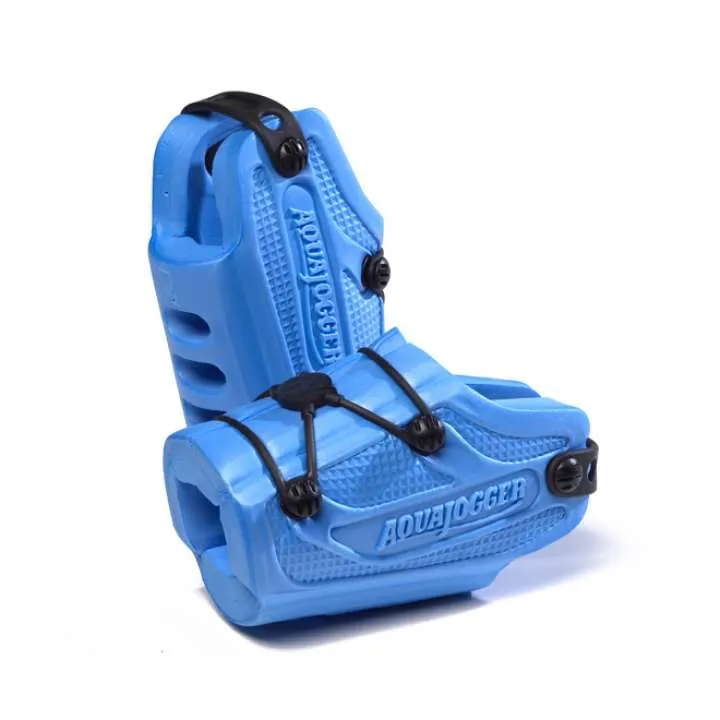
Deep-water classes often use belts to keep you afloat. Your feet rarely touch the floor, so you do not need thick soles for grip. Instead, you need shoes that stay on tight. Fast leg moves can pull loose shoes right off your feet. A snug, secure fit is the key feature here.
Drag is also a factor when you are in deep water. Big, heavy shoes can slow you down. The best shoes for deep water have a slim design that lets them move through the water with ease. Many people use specialized water running shoes for these tasks. These shoes give you the right balance of weight and fit for deep-water sets.
Key design differences
Shallow-water shoes look more like sneakers. They have mesh tops for air flow and thick soles for impact. Deep-water shoes are often lighter. They may look more like socks or have thin soles. Some deep-water shoes even have small fins to add a hard push to your kicks.
If you take both types of classes, you may want a pair that works for both. You can find useful water shoes that offer good grip and a light feel. This lets you move from the shallow end to the deep end without changing your gear. It is a smart way to save money and stay ready for any pool workout.
| Feature | Shallow-Water Shoes | Deep-Water Shoes |
|---|---|---|
| Primary Goal | Impact and traction | Secure fit and low drag |
| Sole Type | Thick rubber with grip | Thin or no sole |
| Fit Style | Similar to a sneaker | Snug like a sock |
| Impact Support | High cushion for floor work | Low or no cushion |
| Best Activity | Water walking and jumps | Water running and floating |
No matter which depth you choose, the right gear is vital. Using the best water aerobics shoes can make your time in the pool much better. Getting the right water aerobics gear ensures you stay safe and have fun during every class session.
How should water aerobics shoes fit?
Finding the right fit is key for a good pool workout. The best water aerobics shoes should feel like a second skin. If they are too loose, your foot will slide around. This can cause sores or make you lose your balance. If they are too tight, they might pinch or stop blood flow. A good fit keeps you safe. It makes it easy to move well in the water.
Check for a snug heel
The heel of your shoe must stay in place. When you lift your foot, the shoe should move with you. It should not pull away or rub against your skin. A firm heel helps you keep your balance while you walk in the water. This is vital for staying stable on the pool floor. If the heel slips, try a smaller size or a shoe with better straps.
Test the toe room
Your toes need some space to move. They should not touch the very front of the shoe. Aim for about half an inch of room at the tip. This space lets your feet expand as you move. It also keeps your toes from hitting the front when you stop fast. You can find many types of water aerobics gear that fit many foot shapes. You can also try specialized water running shoes for a firm fit during fast moves.
Steps to check your fit
- Put the shoe on your foot. Use any water socks you like to wear.
- Fasten the closure. Most shoes use laces or a pull tab. The fit should feel firm but not tight.
- Stand up and walk on a flat floor. Your heel should stay locked in the back of the shoe.
- Press on the front of the shoe with your thumb. You should feel a small gap for your longest toe.
- Try a few class moves. Do some high knees or side steps. The shoe should not shift or feel heavy.
- Check for rub points. If you feel any pinching, the shoe may be too narrow for your foot.
Keep in mind that feet can swell. This often happens after a long day or a hard workout. It is best to try on shoes in the late day. This ensures they fit even when your feet are at their largest. Also, think about the straps or laces. Look for shoes with parts that stay tight in the water. This helps you focus on your class rather than your shoes.
Grip, cushioning, and pool-deck safety
Staying safe at the pool starts with what you wear on your feet. The water aerobics gear you choose should use two main features to protect you: a firm grip and soft padding. These parts work as a team to help you move well both in and out of the water. Good shoes keep you steady on wet tiles. They also help you stand firm when you are deep in the pool.
Support for every move
The bottom of a water shoe gives you the grip you need to stay safe. On a wet deck, a textured rubber sole helps you stay upright. Once you are in the water, this grip stops your feet from sliding during fast drills. Experts at the Mayo Clinic state that water shoes help you keep traction on the pool floor. This is vital for water walking and other pool-based fitness tasks.
Padding is just as big a part of safety as the grip. Even in the water, your feet hit the bottom with force during jumps or runs. A soft midsole takes in this shock before it can reach your legs. This keeps your feet from getting sore and protects your joints from stress. Using the right gear helps you stay in the water longer. It makes every move feel more stable and less tiring for your body.
Slip risk and pool decks
It is vital to know that no shoe is fully slip-proof. High-grip soles lower your risk of a fall, but they do not stop all slips. Wet tile is very slick, even for the best footwear. You must still walk with care on the deck and in the locker room. Using protective aqua footwear gives you much more control, but it is not a total shield from falls. Always watch your step when you move near the water to avoid a fall.
Many people think that wearing shoes means they can run on the deck. This is not true. Shoes help with grip on most wet spots, but puddles or soap can still cause a slip. The rubber needs to touch the floor to work. If there is a layer of water or grime in the way, the shoe might slide. Keep your pace slow and look for signs of a slick floor before you step.
How to stay safe
You can stay safe by using good shoes along with smart habits. Walk slowly on all wet areas around the pool. Do not run or make sharp turns on the deck. Check your soles often for signs of wear. If the tread is flat or smooth, the shoe cannot grip the floor well. You should replace your shoes when the bottom looks worn down to keep your traction high.
Rinse your shoes with fresh water after each swim. This simple step removes salt, sand, or chlorine that can wear down the rubber over time. Dry them in a cool spot out of the sun. This keeps the rubber parts from getting brittle. Taking care of your shoes keeps the grip strong and the padding soft for a long time. Safe habits and good gear work as one to keep you on your feet.
A verified Swim2000 water shoe option
Quick answer: Swim2000 carries purpose-built water shoes for aqua fitness, including models suited to floor-based classes and deep-water running.
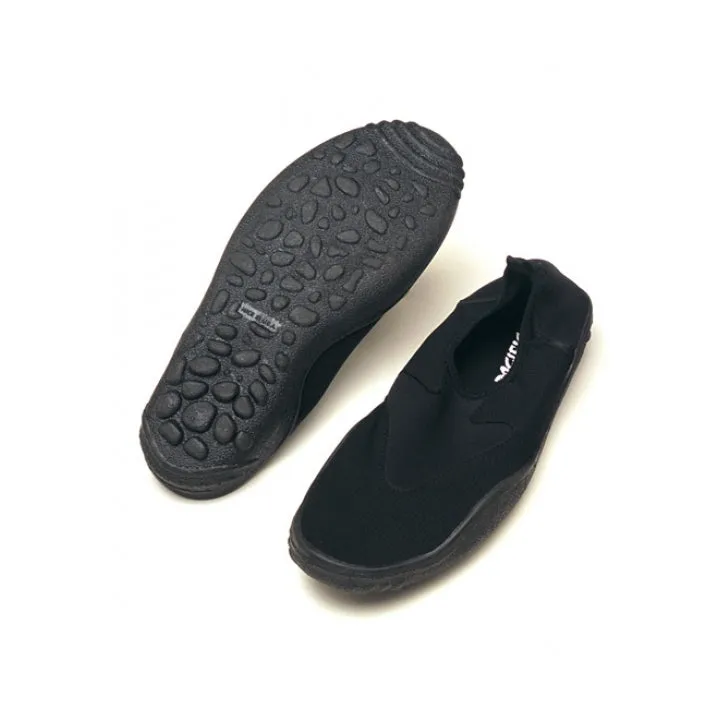
When you take part in pool workouts, your safety and comfort are top goals. Using the Water Gear Women's Black Water Shoes can make a big change in how you move. These shoes help you keep grip on the pool floor, which is a key part of staying steady during a workout. Experts at the Mayo Clinic note that water shoes help you maintain grip as you push against the water.
A smart choice for aqua fitness
Finding the best water aerobics shoes means looking for parts that help you do well. The Water Gear option from Swim2000 has a mesh top that dries fast. This quick-dry material is helpful for those who go to pool classes often. It keeps the shoes light even when they are wet. This is vital because water gives natural force that already makes your muscles work hard during moves.
The shoe also has a non-slip rubber sole. This sole gives the grip needed for water walking and other pool fitness tasks. Whether you are in a public pool or a gym, having a solid grip protects you from slips. You can find more water aerobics gear at Swim2000 to finish your workout kit.
Useful design for pool use
A good water shoe must fit well and stay in place. These black water shoes use a stretchy collar to ensure a snug fit around your ankle. This stops the shoe from slipping off while you move through the water. It also keeps out small bits of dirt that might be at the bottom of the pool. The drain design lets water flow out fast, which stops the shoes from feeling heavy.
If you want other styles, you can look at the full range of water shoes at our shop. Each pair is built to handle the needs of wet areas. By wearing these shoes, you can focus on the health perks of your workout, such as better heart health and less stress on your joints. These parts make them a top choice when you look for the right gear for your next class.
How to care for water aerobics shoes
Taking care of your gear helps it last longer. Even the best water aerobics shoes need regular cleaning to stay in top shape. Pool chemicals and salt can wear down the soles and mesh over time. By following a few simple steps, you can keep your shoes fresh and ready for your next pool workout.
Why you should rinse your shoes
Chlorine is tough on fabric and rubber. After each class, you should rinse your shoes with fresh water to remove pool chemicals. This simple task stops the parts from getting brittle or losing their stretch. If you leave the chlorine on, the mesh may tear or the glue might fail. Rinsing also helps wash away any dirt or hair from the pool deck.
When you rinse, make sure to get the water into every part of the shoe. Open up any straps or laces to reach the hidden spots. You do not need to use soap every time you rinse. Most of the time, fresh water is enough to clear out the chemicals that cause wear. If your shoes start to smell, you can use a bit of mild soap once a week to keep them clean.
Best ways to dry and store them
Proper drying is key to stopping odors and mold. After rinsing, let your shoes air dry in a cool, shady spot. Avoid putting them in direct sunlight, as the heat can warp the soles and fade the colors. You should also keep them out of the dryer. High heat can melt the glue that holds the shoe together and ruin the fit. Quick-dry aqua shoes are made to shed water fast, so they do not need a machine to dry.
Do not leave your wet shoes in a plastic bag or a gym locker for too long. Trapped moisture leads to germs and bad smells. Instead, place them in a spot with good air flow. You can also stuff them with paper towels to soak up extra water from the inside. Once they are fully dry, store them in a cool place away from dampness. This keeps the water aerobics gear ready for use.
When to buy new shoes
Even with great care, all shoes will in time wear out. Check the bottom of your shoes once a month to look for thin spots in the tread. If the soles look smooth, they may no longer keep traction on the bottom of the pool. Slipping can lead to falls, so safety should always come first. You should also check for holes in the mesh or loose seams that could cause blisters.
- Rinse shoes with fresh water after every use.
- Dry them in the shade to protect the parts.
- Check the treads for wear once a month.
- Replace shoes every six to twelve months if you use them often.
- Use mild soap only when needed to remove odors.
Most active swimmers find they need new shoes every six months to a year. This depends on how often you work out and the type of pool floor. If you feel less support or notice the fit is loose, it is time for a new pair. Getting a fresh pair ensures you get the best feel and safety during your pool fitness sessions.
Compare Swim2000 water shoes before your next class.
Frequently Asked Questions
Should you wear shoes for water aerobics?
Yes, wearing shoes for water aerobics is highly suggested for safety and results. According to the Mayo Clinic, water shoes help you keep grip on the pool floor during water workouts. This extra grip helps prevent slips and falls on slick surfaces. It also lets you push off the bottom with more force. This increases the work and helps you get better results from your session.
Are water aerobic shoes with arch support necessary?
Arch support is not always needed for every swimmer, but it is helpful for those with flat feet or high arches. If you plan to do high-impact moves like water running or jumping, extra support can prevent foot pain. Products like AquaRunners are designed to provide the balance needed for hard pool workouts. Choosing shoes with good support ensures your feet feel good during long classes.
Can water aerobic shoes help with Plantar Fasciitis?
Yes, the right water shoes can help manage the pain from Plantar Fasciitis during a workout. Shoes with a thick sole and soft heel reduce the strain on your heel bone and arch. This is vital when you perform moves that put weight on your feet in shallow water. By using firm footwear, you can enjoy the joint-friendly benefits of water exercise without making your foot health issue worse.
What are the best shoes to wear for water aerobics?
The best shoes for water aerobics usually have a rubber sole for grip and a mesh top for fast drying. According to Swim2000, high-quality shoes should provide both protection and grip in wet areas. You should look for a pair that fits snugly so they do not slip off during active moves. Strong fabrics like neoprene or mesh are great because they stay light even when they are fully soaked.
Find your water aerobics essentials at Swim2000
The right shoes can help you move through class with a secure fit, dependable traction, and less water trapped around your feet. Pair them with the equipment your workout calls for, then arrive ready to focus on form and enjoy the water.
Shop water aerobics gear at Swim2000 and prepare for your next pool workout with trusted equipment for aquatic fitness.


