


Shop Swim2000's extensive collection of high-quality swim caps for racing and training today!
Learning how to choose a swim cap requires looking at the water heat and your swimming goals. Racing caps made of rigid silicone provide the best speed because they stay smooth on your head. Research shows that seamless silicone caps can lower drag by more than six percent during a glide (PubMed). Standard silicone works well for training in cool water because it keeps you warm and lasts a long time. Latex or fabric caps are better for warm pools where you do not need much heat. You should also pick a size that fits your head and hair type to keep your goggles from slipping. Most caps come in sizes for kids, teens, and adults to ensure a snug but comfortable fit.
Why Choosing the Right Swim Cap Matters
Finding the right gear is key for any swimmer. A good cap does more than just keep hair out of your face. It helps you move better in the pool and stay safe. When you learn how to choose a swim cap, you should look at how it fits and what it is made of. The best cap will help you swim with less effort and more speed. At Swim2000, we have helped people find the best gear since 1994.
Boost speed and lower drag
A major goal for most swimmers is to move fast through the water. The way your head moves through the pool creates drag. Loose hair or a wrinkled cap can slow you down by a lot. Research shows that smooth, seamless caps can lower drag by more than six percent during a glide. This helps you save strength and finish your laps faster. You will feel the change in your very first lap.
Using a cap gives you a few perks for your speed:
- It creates a smooth surface for water to flow over.
- It keeps loose hair from adding weight and drag.
- It helps the head stay in a good spot for swimming.
- It reduces the splash you make when you dive in.
Choosing a tight-fitting cap keeps your head smooth. This shape helps the water flow over you without any bumps. Racing swimmers often use two caps to make the surface even flatter. Even if you swim for fun, a cap that fits well will make your workout feel smoother. It allows you to focus on your stroke instead of fighting the water. A good fit is the first step to better speed.
Protect your hair from chlorine
Swimming pools use chemicals like chlorine to stay clean. While these chemicals keep us safe, they can be hard on your hair. Chlorine strips away the real oils that keep hair soft and strong. This can lead to dry, brittle hair that breaks easily. A good swim cap acts as a wall between your hair and the water. It keeps the pool water from soaking into your hair for too long.
When you wear a cap, you keep most of the pool water out. This keeps your hair from soaking up too many swimming pool chemicals during your swim. It is best to wet your hair with fresh water before you put on your cap. This helps your hair stay safe and keeps it from getting tangled. Swim2000 has a wide range of swim caps that fit all hair lengths and types. We help you protect your hair so you can swim every day.
Keep your goggles in place
One big problem for swimmers is when goggles slip off during a dive or turn. This often happens because the skin is wet and smooth. A cap gives the goggle strap a better place to grip. This keeps your goggles from moving while you swim. You will not have to stop and fix them as often. This allows you to stay in the zone and keep your pace.
A cap also keeps your hair contained so it does not get in the way of the goggle seal. When hair gets under the rim of your goggles, it can cause leaks. A snug cap holds all your hair back and makes a clear space for your gear. This makes sure that you can see well and stay comfy. Picking the right cap is a simple way to make sure all your gear works together for a great swim.
Comparing Swim Cap Materials: Silicone, Latex, and Fabric
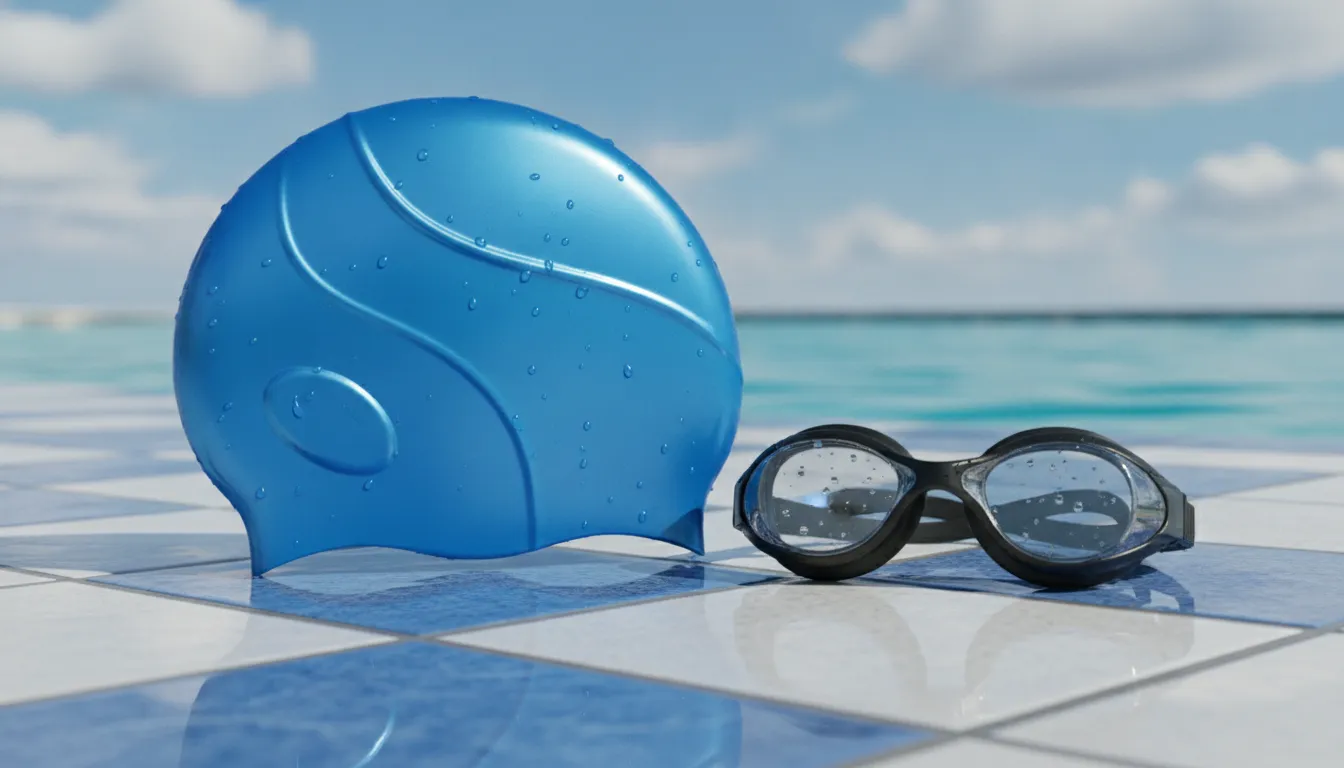
Choosing the right swim cap is key to your comfort and speed in the water. Most swimmers want a cap that fits well and lasts a long time. When you learn how to choose a swim cap, you must look at the material first. Each type has its own pros and cons for different needs.
Silicone caps for strength
Silicone is the most popular choice for lap swimmers today. These caps are thick and very strong, so they do not tear easily. They are also soft and do not pull on your hair as much as other types. This makes them great for swimmers with long hair who want a snug fit. Since they are thick, they help keep your head warm in cool pools.
Many people pick silicone because it is skin safe. This material works well for those with latex allergies. While silicone caps cost more, high-quality options like the Nike Silicone Swim Cap or the Arena Silicone Swim Cap last much longer if you take care of them. You should rinse your cap in fresh water after each swim to remove salt and swimming pool chemicals. This simple step helps the material stay stretchy for many months of use.
Latex caps for racing
Latex caps are a top choice for racing swim teams. They are much thinner than silicone and provide a very tight fit. This tight seal helps reduce drag in the water, which can help you swim faster during a race. Because the material is thin, it allows heat to escape from your head. This keeps you cool during hard workouts in warm water.
The main downside to latex is that it is not as strong as silicone. These caps can rip if you have long nails or pull too hard. They are very cheap, so many swimmers keep a few extra in their bag. Keep in mind that chlorine and other pool additives can thin the material over time. Latex wears out faster with daily use than other types.
Fabric and neoprene options
Fabric caps are often made from Lycra, spandex, or polyester. These caps are the most comfortable to wear because they do not pull on your hair at all. They feel like a soft headband and are very easy to put on and take off. However, fabric is porous, so your hair will get wet as soon as you dive in. They are best for water aerobics or light swimming where hair protection is not a top goal.
Neoprene caps are built for a specific use in cold water. These caps are made from the same material as wetsuits. They are thick and have a chin strap to keep them in place. This design traps a thin layer of water next to your skin to keep your head warm. Open water swimmers and triathletes use these to stay safe when the water is very cold.
| Material. | Best Use. | Strength. | Comfort. | Price. |
|---|---|---|---|---|
| Silicone. | Daily training. | High. | Good. | Mid-range. |
| Latex. | Racing. | Low. | Firm. | Low. |
| Lycra/Spandex. | Water aerobics. | Medium. | Best. | Mid-range. |
| Polyester. | Fitness swimming. | Medium. | Good. | Mid-range. |
| Neoprene. | Cold water. | High. | Fair. | High. |
At Swim2000, we have helped swimmers find the right gear since 1994. We know that the best cap for you depends on how often you swim and what you want to do. Whether you need a sleek silicone cap for laps or a soft fabric cap for a water class, we have many styles. These options help fit your needs. Choosing the right material will make every swim more fun and help you focus on your goals in the pool.
What Is the Best Swim Cap Material for Different Water Temperatures?
Choosing the right swim cap depends on the water you plan to swim in. Heat plays a big role in how you feel and how well you do. A cap that is too thick in warm water can make you too hot. A thin one in cold water can lead to a chill. Learning how to choose a swim cap based on cloth makes sure you stay safe during your work.
Cold Water and Neoprene
When you swim in water below 60F, your main goal is to keep your head warm. Neoprene is the best pick for these cold spots. It is the same cloth used in wetsuits to trap a thin layer of water near your skin. This layer stays warm and helps shield your head from the bite of icy waves. Open-water swimmers often use these caps to stop heat loss through the scalp.
Most neoprene caps also come with a chin strap to keep them in place. This makes sure you do not lose your gear when the water is rough. If you plan to swim in very cold lakes, look for a cap that is at least 3mm thick. Safety in cold water is vital, as the CDC notes that cold stress can affect your body quickly during outdoor work.
Training in Cool Pools
For most indoor pools that stay between 60F and 75F, silicone is the top pick. This cloth is thicker than latex and does a great job of holding in some heat. It also lasts a long time because it does not dry out as fast as other types. Many people like silicone because it is easy to put on and does not pull on your hair as much as latex does.
Silicone caps are a staple for daily training laps. They keep their shape well and give a sleek fit that cuts down on drag. This makes them perfect for swimmers who want to move fast without feeling too hot or too cold.
Check out our full range of training swimwear and gear to find the best fit for your daily workouts. If you have an allergy to latex, silicone is a safe choice that will keep you at ease for long sets.
Warm Water and Heat Release
In warm water above 75F, you need a cap that lets heat out. Latex and Lycra caps are the best tools for these spots. Latex is very thin and lets more air through than silicone. This is key when you are working hard in a heated pool or doing water aerobics.
Our collection of swim training gear has everything you need to succeed in any temperature. If your head gets too hot, your whole body will feel the strain.
Fabric caps made of Lycra are also great for warm water. While they do not keep your hair dry, they offer the best air flow. They are very soft and cozy for light swimming or aqua fitness classes. Using a light cloth helps your body stay at a good heat. This also keeps your hair out of your face and the pool filters clean.
How Should a Swim Cap Fit and How to Choose Your Size?
A good swim cap should stay in place while you swim. It needs to be tight enough to keep water out but not so tight that it hurts. If your cap slides off or leaves a deep mark on your skin, the size might be wrong. Finding the right fit is a key part of how to choose a swim cap that works for you. Most caps come in sizes based on the age of the swimmer and the amount of hair they have.
How a swim cap should feel
A proper swim cap should feel secure from the moment you dive in. It should not slide up or move when you turn your head. If the cap starts to slip, it is often too small or your hair is too dry. A good fit will cover your whole hairline and stay firm against your brow. While it should be snug, it should not cause a headache or leave red marks. The goal is to keep your hair out of your face and reduce drag as you move through the pool. You want the fit to be firm but not painful.
Sizing for all swimmers
Adult caps are the most common and fit most people over the age of 14. These caps are often made to fit a head size of 20 to 24 inches. If you have a very large head, you might need a cap made of silicone because it stretches well. Junior caps are for children between 6 and 14 years old. They are smaller to stay snug on a child's head. Infant caps fit kids aged 2 to 6. These help keep hair out of the eyes during lessons.
If you have long hair or thick braids, a common cap may not stay on. Long hair caps have extra space in the back to hold your hair. For racing swimmers, dome caps offer a sleek fit with no folds. Daily swim workouts are a top way to stay fit, as noted by the Centers for Disease Control and Prevention. Swimmers focusing on building strength outside the pool can also benefit from dryland training equipment to complement their pool training.
How to put on a swim cap
Putting on a swim cap can be hard if you do not want to pull your hair. If you do it the right way, the cap will slide on well and sit flat against your head. You should make sure your hair is wet or has a little bit of hair cream on it first. This helps the cap slide over your hair instead of sticking to it. Follow these steps to put on your cap without any pain:
- Hold the swim cap by the sides with both hands. Place your fingers inside the cap and your thumbs on the outside to stretch it open.
- Lean your head forward and place the front of the cap against your brow. Make sure the front edge is just above your eyebrows.
- Pull the cap back over the top of your head in one smooth move. Use your hands to guide the cap all the way to the base of your neck.
- Tuck any loose strands of hair under the edges of the cap. Start at the front and work your way around the sides and back.
- Adjust the cap so it covers your ears or sits just above them. Press down on the top and sides to remove any air bubbles or folds.
Once your cap is on, it should feel snug but good. It should cover most of your hair and sit low on your brow. If you feel like the cap is squeezing your head too hard, you may need a larger size or a softer fabric. At Swim2000, we help you find the best gear for every pool session. A well-fit cap helps you focus on your stroke and enjoy your time in the water. Having the right gear makes your swim better and more fun.
Do I Need a Different Swim Cap for Racing vs. Training?
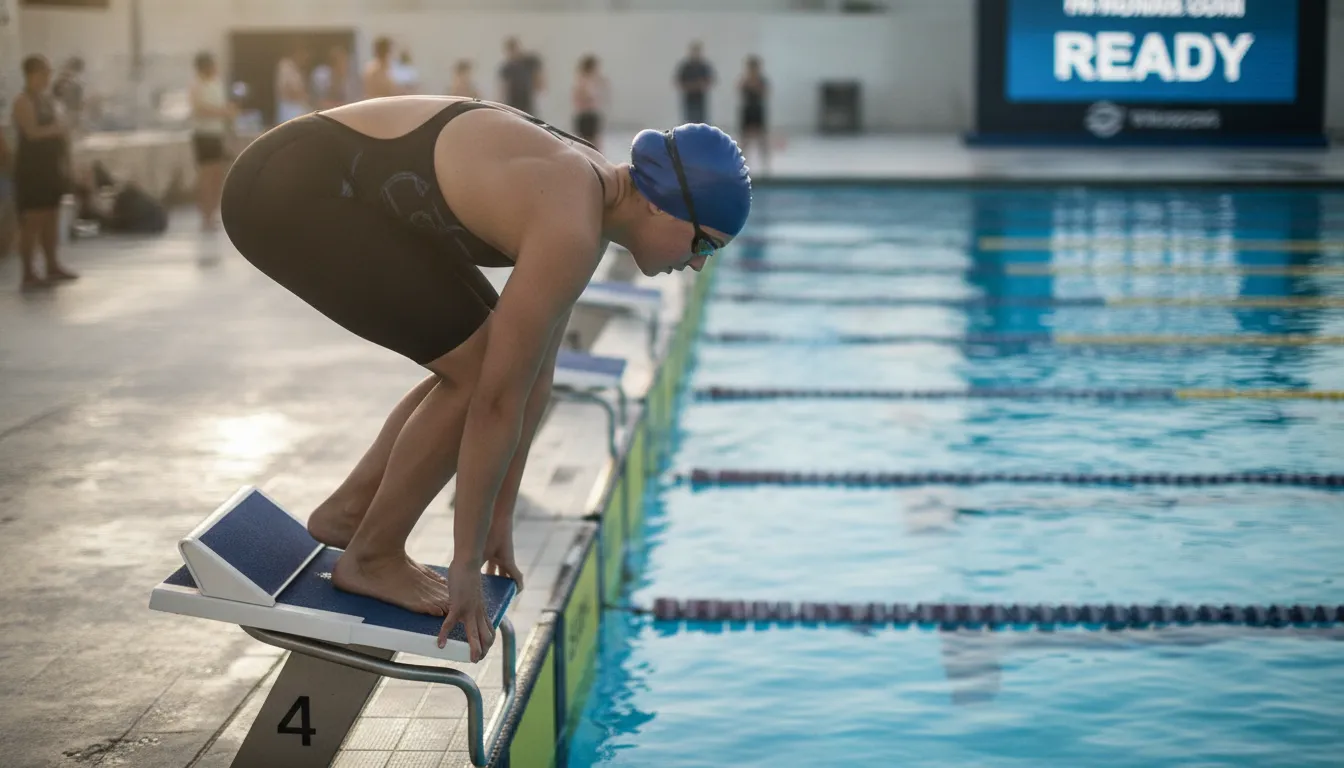
When you learn how to choose a swim cap at a shop like Swim2000, you must think about your goals in the pool. A cap for daily practice has a different job than one used on race day. Training caps focus on comfort and staying strong against chlorine.
Racing caps aim to make you as fast as possible by cutting down on drag. Choosing the right gear for each task helps you perform your best while keeping your hair safe. It also keeps you focused on your swim.
Training Caps for Daily Use
For most practice sessions, you need a cap that lasts a long time and feels good. Silicone is a top choice for daily training because it is thick and tough. It does not pull on your hair as much as other types do.
You can find more tips on these in our best swim caps guide. These caps keep their shape for many hours. They are a solid pick for any swimmer.
Latex caps are another option for training, but they are much thinner. They breathe better, which makes them good for warm water. But latex can tear easily if you are not careful with your fingernails.
Most swimmers prefer silicone for training because it protects the hair from pool water. It also helps keep your head warm in cooler water. Our competitive swim gear and swimwear collections feature a wide selection of silicone training options that will make your long sets much more fun.
Racing Caps and Speed
On race day, every small gain matters to your final time. High-speed racing caps use a special dome-molded shape. These caps fit your head without any wrinkles. Smooth surfaces allow water to flow over your head much faster.
This design helps lower passive drag in the pool by about 5% during a glide. Standard caps often bunch up or create small folds that catch the water. A racing cap stays perfectly flat against your skin.
While these caps are great for speed, they are often too tight for long training sets. They can be hard to put on and might feel a bit stiff. Use them only for your main events to save them from wear and tear.
The Double Capping Technique
Many elite swimmers use two caps at once for a better fit. This method is called double capping. First, the swimmer puts on a latex cap. Then, they put their goggles over that first cap.
Finally, they add a dome-molded silicone cap on top. This keeps the goggle straps secure so they do not move during a dive. It also helps to hide any bumps from your hair.
The second cap smooths out the surface even more for better speed. You can see this gear in action in our guide to competitive swimmer gear. To complement your double cap setup, pairing it with high-end Speedo Fastskin Racing Goggles or Finis Circuit 2 Swim Goggles will give you the ultimate competitive edge. This trick is a simple way to feel more secure and fast.
Frequently Asked Questions
Do swim caps keep your hair dry?
No swim cap is fully water tight. Most caps are made to lower drag and keep your hair out of your face rather than keep it dry. While thick caps block some water, it will still seep in around the edges as you move. The CDC says that rinsing your hair with fresh water before you swim can help stop it from soaking up pool chemicals. This simple step protects your hair.
Should a swim cap cover your ears?
It depends on your goal in the pool. Many swimmers pull their cap over their ears to lower drag and keep their swimming ear plugs securely in place. This can also help keep you warm in cold water. Research on passive drag shows that a smooth fit helps you move faster. But if you need to hear a coach, you may want to leave your ears out. Most caps are stretchy enough to fit either way.
How do I choose the right size swim cap?
Most swim caps come in one size that fits most adults. If you have very long or thick hair, you should look for long hair caps that have extra space in the back. For children, look for junior sizes that fit a smaller head shape without being too loose. A good fit should be snug enough to stay on during a dive but not so tight that it gives you a headache.
How long do swim caps last?
The life of your cap depends on the type and how you treat it. Silicone caps can last for many months or even years with good care. Latex caps are thinner and may only last for a few weeks of daily use before they tear. To make your gear last, rinse it in fresh water after every swim. This helps remove swimming pool chemicals that can break down the stretchy parts over time.
Shop for the Best Swim Caps for Training and Racing Now
If you use a bad cap, you will move slow and hurt your hair in the pool water. You should contact us to get the right fit today to stay fast and feel good in your next race and training set. Do not wait until your meet starts to find out that your gear does not work well.
Ready to shop? You can look at our top swim caps now to find the best one for your goals. Our team is here to help you pick the right size and style for your needs. Call (415) 867-3073 to talk to a swim expert and shop our selection of high-quality swim caps today.


