

Choosing lifeguard gifts is easier when you start with the recipient’s routine. A pool-deck worker may appreciate a towel or bag that helps organize a shift, while someone who swims for fitness may use training gear more often. Focus on practical items, check product details, and avoid assuming every facility permits the same equipment.
Explore a mesh bag for swim essentials
What makes a lifeguard gift useful?
A useful gift supports a real part of the person’s day: carrying wet gear, keeping small items together, or making personal swim practice more convenient. It does not need to be specialized rescue equipment. Gifts are often more personal when they complement the recipient’s own facility rules and training, rather than suggesting a substitute for required workplace gear.
Think about where the item will be used, how often it will be carried, and whether it can handle damp conditions. A bag, towel, or swim accessory is easier to choose when you know the recipient’s preferred size, activity, and existing kit. Consider three questions before you shop: do they swim outside work, what do they already carry, and would they use the item at home or only at the facility? Those answers quickly narrow a broad list to a few useful possibilities.
For example, a high-school swimmer who lifeguards part-time may welcome training accessories, while a seasonal pool attendant who does not swim recreationally may prefer a comfortable bag or towel. A new employee might already receive a uniform and required equipment from the employer, so a personal-use accessory avoids duplication. The best answer is specific to the person, not the job title alone.
Which gifts help organize a pool-deck shift?
For someone who spends time at a pool, compact organization can be more useful than novelty. A mesh bag can hold personal swim accessories and allows damp items to be separated from other belongings. A towel is straightforward for swimming before or after a shift. A small case can keep goggles apart from heavier items in a bag.
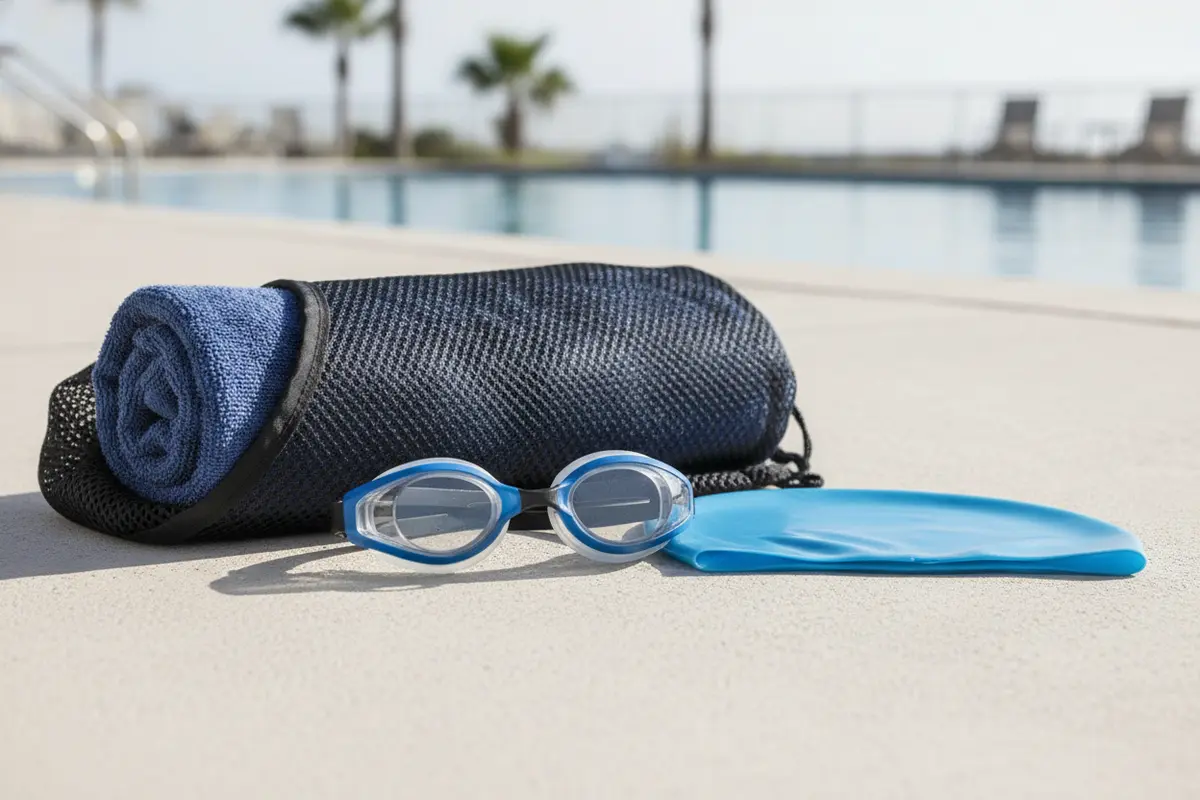
- Mesh gear bag: Compare capacity, straps, and closure style with what the person carries. A larger bag may be useful for several accessories but less convenient in a crowded locker. See the Arena Team Mesh Swim Bag.
- Towel: Think about whether they prefer a compact towel to save bag space or a larger one for drying after a swim. The Arena Hiccup Towel is one catalog idea. Another style to compare is the Arena Towel HANDY.
- Goggle case: A case helps keep goggles separate from other belongings. Check that its shape suits the recipient’s goggles; browse the Arena Goggle Case.
- Swim cap: A cap can be useful for personal lap swimming. Pick material and fit based on the swimmer’s preference, not assumptions about workplace requirements.
A practical pack-and-carry check makes the choice easier. Imagine the recipient leaving for a shift: where will the towel go, are wet items likely to sit beside dry clothes, and can the bag fit in their usual locker? Think through the return trip, too. A damp cap or swimsuit needs a sensible place apart from a phone, notebook, or spare clothing. You do not need to solve every storage problem with a specialized product; a bag that accommodates their existing routine may be enough. If they walk or cycle to the pool, a compact kit may be more convenient than a bulky bundle. If they drive, carrying capacity may matter less than easy separation of wet and dry items.
If you are unsure which item they already own, ask someone close to them about preferred colors, fit, and bag size. Avoid buying anything that could be mistaken for facility-issued gear unless the recipient has specifically requested it. A versatile accessory can feel thoughtful without implying that their professional equipment needs replacing.
What training gifts suit a lifeguard who swims?
Some lifeguards also train in the water outside of work. In that case, training accessories may be a better match than work-related items. Ask about the recipient’s usual practice and whether their coach or facility permits the equipment during sessions. Training tools are personal exercise accessories, not a substitute for professional preparation or workplace equipment.
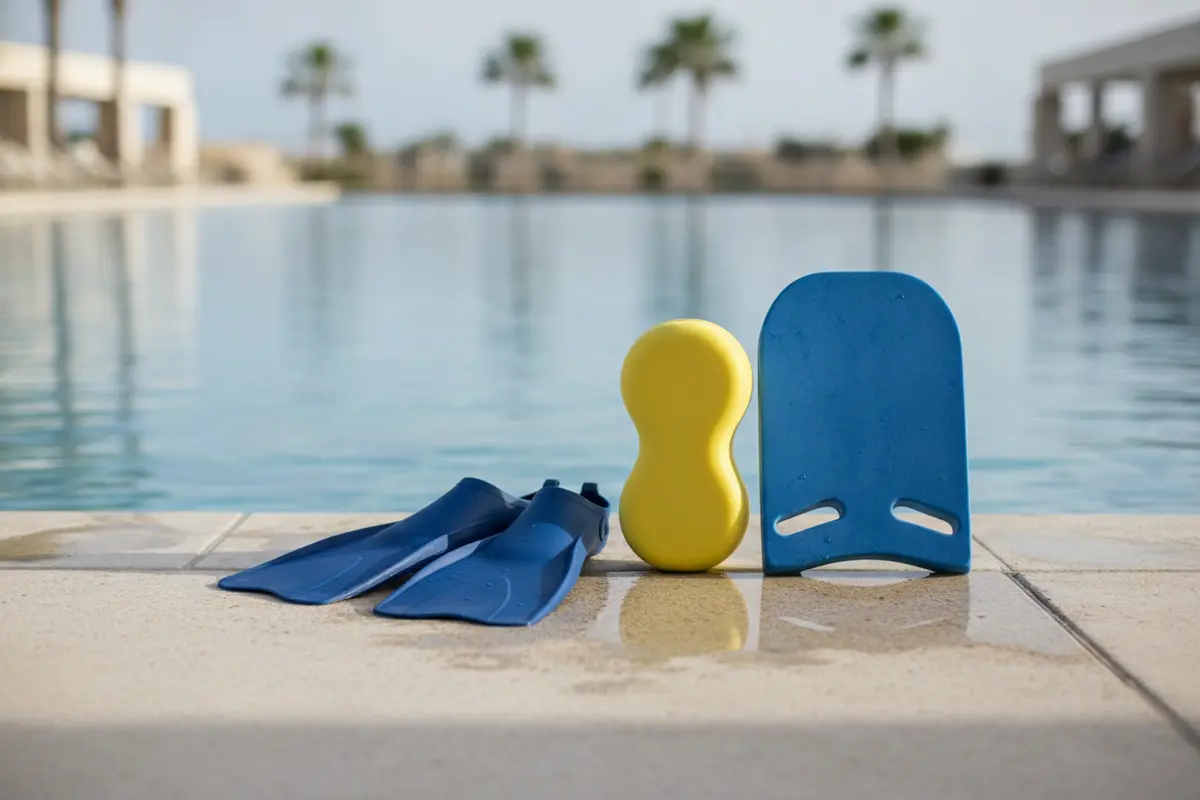
Fins can be used in sets that include kicking; a pull buoy is used for drills that emphasize the arms; and a kickboard gives swimmers a surface to hold during kick-focused work. These tools serve different purposes, so match the gift to a practice the swimmer already does rather than promising a particular result.
- Training fins: Check sizing and intended use carefully. The THS Training Fins are one example to compare. Fins that are too tight or too loose are unlikely to be comfortable, so ask about sizing before ordering.
- Pull buoy: A compact accessory for pull-focused practice. See the Water Gear Pull Buoy. Ask whether the swimmer already owns one and whether it fits their preferred drills.
- Kickboard: A simple option for kick sets when the swimmer’s routine uses one. Consider the Dolfin Swim Kickboard. Its size and storage footprint matter if they carry gear on public transit or have limited locker space.
- Combination accessory: A pull-and-kick style tool such as the Arena Pull Kick may suit a swimmer who likes versatile equipment. Confirm the person actually wants a combined tool rather than two familiar separate items.
More equipment is not always better. A swimmer who already has training tools may value replacing a worn accessory, while a newer swimmer may prefer a simple bag or towel. When in doubt, ask what they use in practice. A gift should fit existing habits and avoid adding a piece of gear that stays at the bottom of the bag.
How should you compare gift ideas?
Use the recipient’s routine as the deciding factor. This comparison groups options by typical use and the detail worth checking before buying.
| Gift idea | Best suited to | Check before buying |
|---|---|---|
| Mesh bag | Carrying personal swim accessories | Capacity, closure, and fit with their existing kit |
| Towel | Swimming before or after a shift | Preferred size and how much bag space it uses |
| Goggle case | Protecting goggles in a gear bag | Compatibility with their goggle shape |
| Training fins | Swimmers who already do kick sets | Correct size, comfort, and training preferences |
| Pull buoy or kickboard | Structured swim practice | Whether the swimmer uses it and has storage space |
| Warm-up layer | Travel to and from the pool | Size, preferred fit, and whether it is for personal wear |
A gift’s usefulness depends on fit and habits, not on how technical it looks. For an experienced swimmer, familiar style and correct sizing usually matter more than adding another item to the bag. For a recipient you do not know well, favor products with fewer fit decisions, such as a towel or storage accessory, and include an exchange receipt if available.
What should you know about clothing and work gear?
Clothing can be personal, particularly when sizing and workplace dress codes vary. A casual swim shirt or warm-up layer may be welcome for travel to and from the pool, but do not assume it meets a uniform requirement. Confirm size, preferred fit, and whether the person would wear it outside work. Swim2000 lists items such as a lifeguard long-sleeve shirt; check the product details and intended use before choosing.
A useful distinction is personal apparel versus operational uniform. Personal apparel reflects someone’s own preferences. Uniform pieces and rescue tools can be subject to employer policy, approved specifications, maintenance procedures, or facility rules. The Occupational Safety and Health Administration provides general workplace safety information; in practice, ask the employer or facility about any required work equipment rather than choosing it as a surprise.
Do not select rescue tools, whistles, or other operational equipment as a surprise replacement for employer-issued items. A facility may specify approved models, inspection requirements, or storage practices. Ask first, or choose an accessory for personal swimming instead. This boundary makes the gift more considerate: it respects the recipient’s role and leaves safety decisions with the workplace and trained staff.
How can you make a practical gift feel personal?
A thoughtful gift can reflect the recipient’s habits without adding a complicated item to their routine. Pair a useful accessory with a short note about why you chose it: a case for the goggles they carry every day, or a towel in a color they like. If they swim regularly, a small set of complementary items can work, such as a mesh bag and cap.
Before assembling a bundle, check whether the items duplicate what they own. A simple three-part bundle might include a bag, a towel, and a small personal accessory. A training bundle could pair a pull buoy with a kickboard only if you know the swimmer uses both. Keep wet and dry gear separate, and consider whether the recipient has room in their locker or bag.
For a group gift, avoid ordering one size or style for everyone. Ask for preferences discreetly, or select a shared item that does not rely on personal sizing. A team can give each person a towel in their preferred color, for example, rather than choosing fitted apparel without measurements. If individual preferences cannot be gathered, a modest, broadly useful accessory is safer than a large one-size-fits-all kit.
How do you choose by budget and occasion?
Set a budget first, then compare the category that best matches the occasion. A single accessory can suit a thank-you, while a coordinated set may fit a birthday or end-of-season gift. The occasion helps determine whether to prioritize everyday convenience, practice use, or a personal touch; it should not lead you to buy an item that does not fit the recipient’s routine. Avoid evaluating value only by the number of items: a well-matched towel or bag can see more use than a bundle of unfamiliar gear.
For a small budget, focus on one item the recipient can use frequently. A goggle case or cap can make sense when you know what they use; a towel may be easier if you do not know their gear preferences. For a shared celebration, ask whether several people can contribute toward a preferred item instead of buying a collection of accessories that may duplicate their kit. A larger budget does not require a larger bundle: it may be better spent on a specific item the recipient has named, rather than on several uncertain purchases. For a seasonal or team appreciation gift, choose a practical item that is easy to carry and does not require the recipient to learn a new training routine.
Personal equipment such as apparel and goggles is harder to choose without individual preferences. If you plan a group purchase, verify sizes, color choices, and any facility restrictions before ordering. Check current item details and shipping timing when planning for a particular date; do not assume processing or delivery timing without reviewing the applicable information.
What are common gift-buying mistakes?
One mistake is assuming that a job title tells you what the recipient enjoys outside work. A lifeguard may not swim recreationally, and a competitive swimmer may already have a preferred brand, size, and training setup. Ask a simple question about their hobbies or pay attention to the gear they already carry.
Another is buying for an imagined emergency role. Work-related safety equipment is not a novelty category: employers may set requirements, and the recipient may need training or authorization to use particular equipment. Choose personal swim accessories instead unless they have explicitly asked for a specific work item.
Also avoid selecting fit-sensitive products without checking measurements or return conditions. Apparel, goggles, and fins all depend on personal fit. If you cannot confirm a size, a less fitted accessory may be more practical. Finally, resist overbuilding a gift bundle. A few complementary items are easier to carry and use than a box of unrelated gear.
Frequently asked questions about lifeguard gifts
What is a safe gift for a lifeguard I do not know well?
A general-purpose towel or mesh bag is often easier to choose than fitted apparel or specialized work equipment. Check size and ask about color or carrying preferences if possible.
Are training tools appropriate gifts?
They can be, if the person swims regularly and uses that type of equipment. Confirm their practice habits and size requirements, and treat training gear as personal exercise equipment rather than a substitute for workplace gear.
Should I buy rescue equipment as a gift?
Not without asking first. Employers or facilities may require specific equipment and maintenance practices, so operational gear should be selected with the recipient and their workplace.
How can I choose a gift for a lifeguard who also competes?
Start with their training routine and ask what they already use. Accessories such as a bag, towel, goggle case, or familiar training tool may fit better than a racing suit, where precise sizing and personal preference matter.
Browse a practical accessory for swim gear
The best lifeguard gift is one that fits the person’s own routine, preferences, and facility rules, whether it helps organize a swim bag or supports personal training.