


Your first race season is exciting, but choosing a tech suit can feel more complicated than choosing a practice suit. Speedo, TYR, Arena, and blueseventy each use different fabrics, compression levels, back designs, and size charts, so the right suit depends on your meet schedule, comfort, and budget.
Shop the women's tech suits collection and compare your options before your next meet.
The tech suit women's swimmers trust for race day fits like a second skin, provides firm but usable compression, and matches the swimmer's body measurements to that brand's chart. For a first season, prioritize a legal, well-fitting suit you can put on carefully and reserve for racing instead of paying for features you will not use.
Understanding what the fabric and construction are designed to do makes the brand comparison much easier. Start with how a women's tech suit differs from everyday swimwear, then narrow the field by fit, race needs, and care requirements.
What Is a Women's Tech Suit and How Does It Work?
A women's tech suit is specialized race-day equipment, not an everyday practice swimsuit. Its construction combines targeted compression, hydrophobic fabric, and low-profile bonded seams to manage how the suit sits against the body and moves through the water. The goal is a close, smooth fit that can reduce drag while supporting a consistent body position during competition.
Compression that supports a close fit
Tech suits use panels and fabric tension to apply targeted compression around parts of the body. That compression should feel secure without restricting movement through starts, turns, or a full stroke cycle. The correct fit is similar to a second skin, although getting into a new suit can take patience. Excess fabric, loose areas, or uncomfortable pressure are signs to revisit the brand's size chart and model choice rather than simply sizing down.
Compression is one feature, not a promise of a particular result. Research on compression garments in high-intensity exercise has produced mixed findings, so a tech suit should be evaluated for its fit, construction, comfort, and race-day use. It is designed to help you manage equipment and technique, not replace training or guarantee a performance outcome.
Hydrophobic fabric and bonded seams
The outer fabric of a tech suit is hydrophobic, meaning it resists absorbing water. That water-repellent quality helps the garment avoid waterlogging and maintain a light feel in the race environment. Bonded seams replace much of the bulk associated with traditional stitching. By reducing the seam profile, they create a smoother surface against the water and support the suit's drag-reduction design.
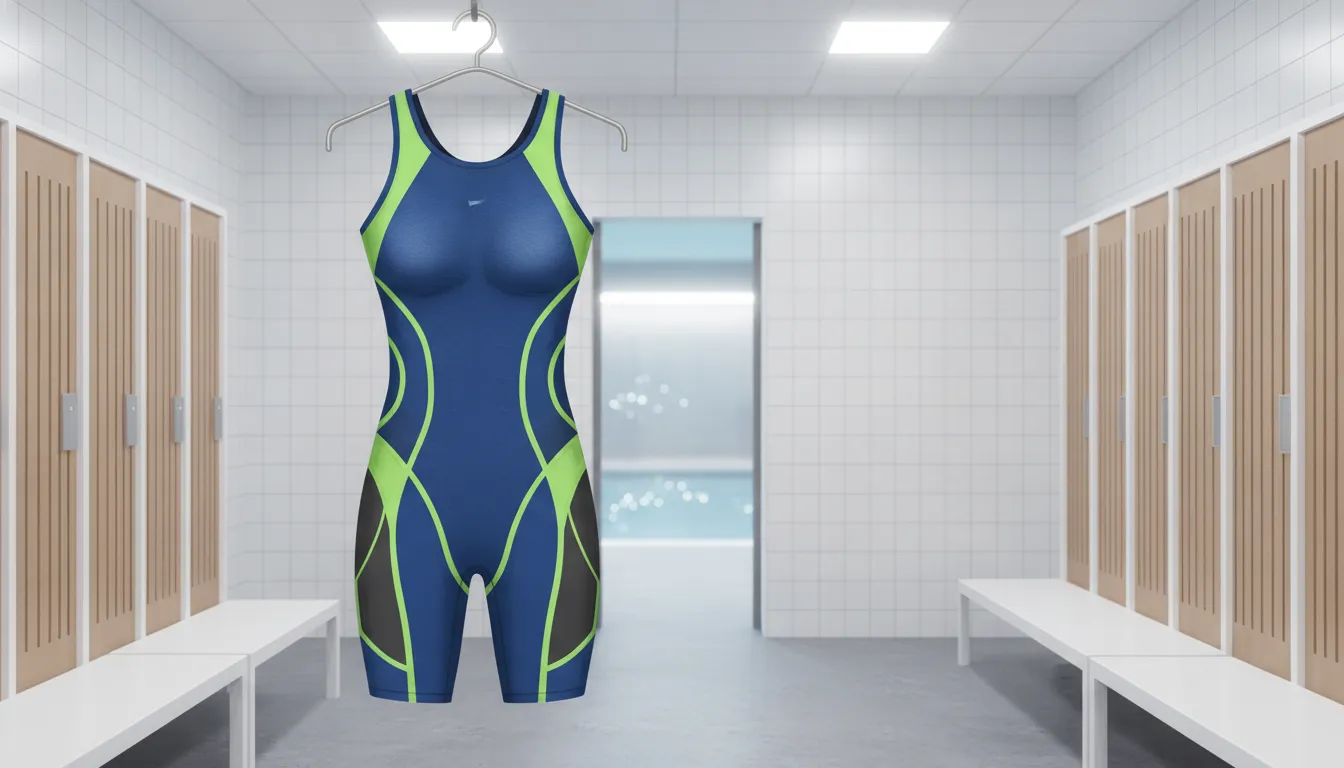
These materials also explain why a tech suit needs different handling from a practice suit. Practice suits are built for repeated exposure to chlorine and regular training. A tech suit is a delicate competition garment, so reserve it for meets and follow careful rinsing and drying instructions to protect its compression and surface treatment.
Key takeaways: A tech suit combines targeted compression, hydrophobic fabric, and bonded seams to create a close-fitting, low-profile racing surface. It is competition equipment rather than chlorine-durable practice wear, and its value depends on proper fit, careful handling, and realistic expectations.
Speedo, TYR, Arena, or blueseventy: Which Women's Tech Suit Is Right for You?
Brand selection comes down to how you want the suit to feel, how often you race, and which construction details matter most to your events. Price is an illustrative guide rather than an exact retail quote: women's technical suits commonly span roughly $120 for entry-level models to $650 for elite-level designs. Open-back and closed-back cuts can also change both ease of entry and the way the suit sits on your body.
| Brand | Strengths | Best for | Example model |
|---|---|---|---|
| Speedo | Lightweight, flexible LZR and Fastskin construction with a race-focused fit. | Swimmers who want compression with a less restrictive feel and freedom through starts and turns. | Speedo LZR Valor 2.0 |
| TYR | High-compression racing lines designed for a secure, structured fit. | Swimmers who prioritize firm support and a durable-feeling suit for a full meet schedule. | TYR women's tech suit line |
| Arena | Powerskin family, including carbon-based models and limited-edition constructions. | Racers comparing multiple compression levels, back styles, and premium fabric systems. | Arena Powerskin models |
| blueseventy | Nero family options with a range suited to developing and experienced racers. | Swimmers seeking a practical entry point or a familiar technical suit platform. | blueseventy Nero family |
Speedo: lightweight flexibility
Speedo's LZR and Fastskin families are worth considering when you want a close race fit without sacrificing flexibility. The Speedo LZR Valor 2.0 illustrates the open-back approach, which can feel less enclosed while still providing compression across the torso and hips. Check Speedo's size chart rather than converting from another brand's sizing.
TYR: firm compression and durability
TYR suits suit swimmers who prefer a more substantial, high-compression feel. Their racing lines can make sense for athletes who compete frequently and want a structured fit that stays supportive through repeated meet use. Allow time to put the suit on carefully, and confirm that compression does not restrict breathing, shoulder rotation, or movement at the blocks.
Arena: a broad Powerskin range
Arena's Powerskin family covers several fit and construction choices, from carbon models to premium limited editions. The Arena Powerskin Impulso represents a premium open-back direction, while the Arena Carbon Air2 gives swimmers another model to compare when evaluating weight, compression, and entry. Limited editions may carry higher prices because of their design and material systems.
Blueseventy: approachable Nero options
The blueseventy Nero family is a useful comparison point for swimmers who want technical construction without automatically moving to the highest price tier. Compare the brand's size guidance, intended compression, and back design with your race calendar. For a wider view of available cuts and brands, browse the women's tech suits collection and competition swimsuits.
There is no universal winner. The right suit is the one whose brand-specific fit provides consistent compression while letting you breathe, rotate, start, and turn comfortably.
Women's Tech Suit Sizing: How to Find Your Fit
A women's tech suit should feel like a second skin, with firm, even compression that supports your racing position without restricting movement. The goal is a close, secure fit through the torso, hips, and legs, while still allowing a full reach, a strong streamline, and comfortable movement during starts and turns.
Measure with your training suit
Begin with the measurements requested by the specific manufacturer, rather than relying on the size you wear in a practice suit or everyday clothing. Keep your measuring tape level and take each measurement consistently. Record the results before you shop so you can compare them with the brand's chart instead of choosing by habit.
When trying the suit on, check the leg openings, straps, and torso for even contact. The fabric should lie smoothly against your body without large gaps, rolling edges, or concentrated pinching. A technical suit may take patience to put on, but it should not create sharp pressure points or make it difficult to raise your arms, rotate your shoulders, or settle into a streamlined position.
Read each brand's size chart
Tech suit sizing is not standardized across brands or even across different suit families. One model may fit best when you size up, while another may require a smaller size for the intended compression. Use the chart for the exact brand and model, then compare its guidance with your measurements. Do not assume that a familiar size in one brand will transfer to another.
Style also affects how the suit feels. An open-back design and a closed-back design distribute fabric differently across the shoulders and upper body. An open back may feel easier to enter, while a closed back can provide a different sense of coverage and support. Neither style is automatically the better fit; choose the construction that lets you move naturally and matches your comfort preferences.
Before race day, test the suit through the movements you will use in competition. Reach overhead, practice a streamline, bend at the hips, and rehearse the body position for your start and turns. The compression should remain consistent without restricting those actions. If the suit shifts, digs in, or limits movement, revisit the size chart and model selection rather than trying to force the fit.
Browse the women's tech suits collection and compare each model's sizing guidance before ordering. The right fit is brand-specific: it should provide close compression, smooth coverage, and unrestricted movement, not simply feel as tight as possible. Taking measurements in advance and checking the exact chart will make it easier to choose between sizes and suit constructions with confidence.
How to Put On and Care for Your Tech Suit
Tech suit materials are deliberately light, compressive, and hydrophobic, but that construction is more delicate than ordinary training swimwear. Taking your time protects the fabric, bonded seams, and consistent fit that you need on race day. Most tech suits have a limited lifespan of roughly 10 to 15 race uses, so careful handling is part of getting full value from the suit.
-
Put it on gradually, starting with the legs
With dry hands and trimmed fingernails, gather the suit fabric and work it over one leg at a time. Start at the lower leg, then ease the material upward in small sections. Do not pull from the straps or pinch the fabric with your fingertips. If the suit catches, stop and reposition it rather than forcing it.
-
Ease the suit over your hips
Continue lifting the fabric evenly until it sits securely around your hips and waist. A competition suit should feel close to the body, like a second skin, while still allowing full movement for starts, turns, and streamlined position. Check the leg openings and seams for twisting before moving higher.
-
Position the bust and shoulder straps
Once the lower half is settled, guide the upper section into place. Adjust the bust area and shoulder straps without yanking. Open-back and closed-back designs can feel different during entry, but neither should dig painfully into the shoulders or leave obvious gaps.
-
Check compression and alignment
Walk through a few arm movements and a gentle squat. The compression should feel even across the key muscle groups, with no rolled edges, trapped fabric, or restricted breathing. Make small adjustments before you step behind the blocks.
-
Care for the suit after every race
- Rinse it with cold, fresh water after each race to remove chlorine and pool residue.
- Never wring, twist, tumble-dry, or scrub the material.
- Air-dry it flat, out of direct sunlight, before storing it completely dry.
- Keep it out of hot, chlorinated water between meets. Use a chlorine-resistant practice suit for regular training.
- Reserve the tech suit for competition instead of wearing it for workouts or warmups.

These steps cannot make a delicate racing suit last indefinitely, but they help preserve its intended compression and fit for the meets that matter most. Treat the suit as competition equipment, not everyday swimwear, and replace it when the fabric no longer provides an even, secure fit.
Are Tech Suits Worth It for Your First Race Season?
For most swimmers entering a first race season, a tech suit can be useful without requiring an elite-level investment. The right entry-level model gives you a competition-specific fit and construction to learn how race-day equipment feels, while leaving room to decide whether advanced features justify a higher price later.
Match the suit to your meet schedule
Women's tech suits range from about $120 for entry-level models to as much as $650 for elite suits. That price gap reflects differences in fabric technology, seam construction, compression systems, and limited-edition design. It does not mean the most expensive suit is the right starting point.
If you are racing a few local meets, an entry-level suit is usually the more practical place to begin. A model such as the Arena Carbon Air2 can introduce you to a close, competition-focused fit without committing to the cost of a top-tier suit. Choose based on the manufacturer's size chart and your ability to move comfortably through starts, turns, and streamline positions.
What does the evidence actually show?
Tech suits use features such as hydrophobic fabrics, bonded seams, and targeted compression. These details are designed to create a smooth racing surface, manage water interaction, and support a consistent fit. They are equipment choices, not guarantees of a particular race result.
That distinction matters. A systematic review of lower-limb compression garments found mixed evidence for high-intensity exercise outcomes, including no clear performance advantage across several measures. Read the PubMed systematic review before treating compression claims as settled science. A suit may help you feel supported and prepared, but training, technique, pacing, and a properly fitted garment remain central to your race experience.
When should you consider an elite model?
Wait until you race regularly and understand your preferred fit, back style, and compression level before moving into a $600-plus suit. You will also get more value from an elite model when you reserve it for important meets and follow its care instructions, rather than wearing delicate technical swimwear for daily practice. For additional background on construction, fit, and race-day use, review Swim2000's men's tech suit guide; the decision principles apply across suit categories.
For a first race season, an entry-level tech suit is usually the sensible starting point, especially when you are still learning what fit and compression feel comfortable. The science around compression and high-intensity performance is mixed, so choose for secure fit, mobility, construction, and meet needs rather than a promised result. Move to an elite suit after regular racing gives you enough experience to identify the features worth paying for.
Ready to choose your first race suit? Review the women's tech suits collection and compare fit, construction, and price before your next meet.
Frequently Asked Questions
Are tech suits necessary for a swimmer's first race season?
No. A beginner can race without an elite-level suit. An entry-level technical suit may be a practical starting point if you want race-specific compression and hydrophobic fabric, but fit, comfort, legal approval, and your meet schedule matter more than choosing the most expensive model.
How should a women's tech suit fit?
It should fit like a second skin, with firm, even compression that does not restrict breathing, movement, starts, or turns. Use the specific brand's size chart rather than assuming your practice-suit size will transfer, and allow extra time to put the suit on carefully.
What is the difference between a tech suit and a practice suit?
A practice suit is built for repeated chlorine exposure and regular training. A tech suit uses features such as hydrophobic materials, targeted compression, and bonded seams to reduce drag, so it should generally be reserved for competition rather than daily workouts.
How much do women's tech suits cost?
Prices range from about $120 for entry-level models to approximately $650 for elite-level suits. For a first race season, compare the suit's fit, intended use, and care requirements before paying for premium construction. Compression research also has mixed findings, so no suit should be treated as a guaranteed performance upgrade. A systematic review on compression garments reported varied evidence in high-intensity exercise.
Ready to Choose Your First Tech Suit?
Your first race season is a good time to compare brand-specific sizing, back styles, and compression before committing to a suit. When you are ready to narrow the options, browse the women's tech suits collection at Swim2000. Review each size chart carefully, and contact the Swim2000 team at (702) 696-9290 or through the collection page if you need help matching a suit to your measurements and race schedule.


