


The best water aerobics swimsuit combines a secure fit, comfortable range of motion, and chlorine-resistant fabric suited to regular pool sessions. Choose the style and support level that let you focus on your exercises without constant adjusting, then care for the suit properly after each class.
Why Your Water Aerobics Swimsuit Matters More Than Your Workout Gear
A water aerobics class asks more from your swimsuit than a short poolside visit. Jumping, kicking, arm sweeps, and repeated changes of direction can pull at straps, seams, and leg openings while chlorine gradually weakens the fabric. A fashion suit may look attractive but shift during movement. While a lap suit may be designed for streamlined swimming rather than the coverage and support you want in an aqua fitness class.
Shop the water aerobics swimwear collection for suits built around regular pool movement and chlorine exposure.
This matters especially if you attend classes consistently. A review published in PubMed found beneficial effects on strength, balance, and cardiorespiratory fitness when healthy adults completed water-based training for at least 12 weeks, two to three times per week. That schedule means your suit may face dozens of sessions each year, so durability is not a minor detail.
Pool chemicals and repeated stretching can break down ordinary swimwear. As the fibers lose their resilience, the suit may sag at the bust or hips. Become less secure at the straps, fade, or turn thin and transparent when wet. These changes can be uncomfortable and distracting for participants and instructors who need to demonstrate movements without continually adjusting their clothing.
Look for construction intended for frequent chlorinated-pool use. One hundred percent polyester is considered chlorine-resistant and is designed to resist fading from prolonged sun exposure, according to the product-material guidance cited by YourSwimLog. Polyester/PBT blends are another strong option. Industry fabric guidance identifies them as especially resistant to pool chemicals, with shape stability and mechanical stretch that help a suit retain its structure over time.
That does not mean every participant needs the stiffest fabric available. If you value a softer feel or need more give through the shoulders and torso, a chlorine-resistant stretch blend may feel more comfortable. The practical test is simple: the suit should stay in place through a full range of motion. Provide the coverage you expect, and recover its shape rather than hanging loosely after class. Rinsing it after every session and avoiding wringing or tumble drying can also help extend the life of the fabric.
What to Look for in a Water Aerobics Swimsuit: Fabric, Fit, and Support
The right suit should stay comfortable through repeated arm movements, leg exercises, and time in chlorinated water. Check the fabric content, stretch recovery, construction, and support details before choosing a style.
Chlorine-Resistant Fabric
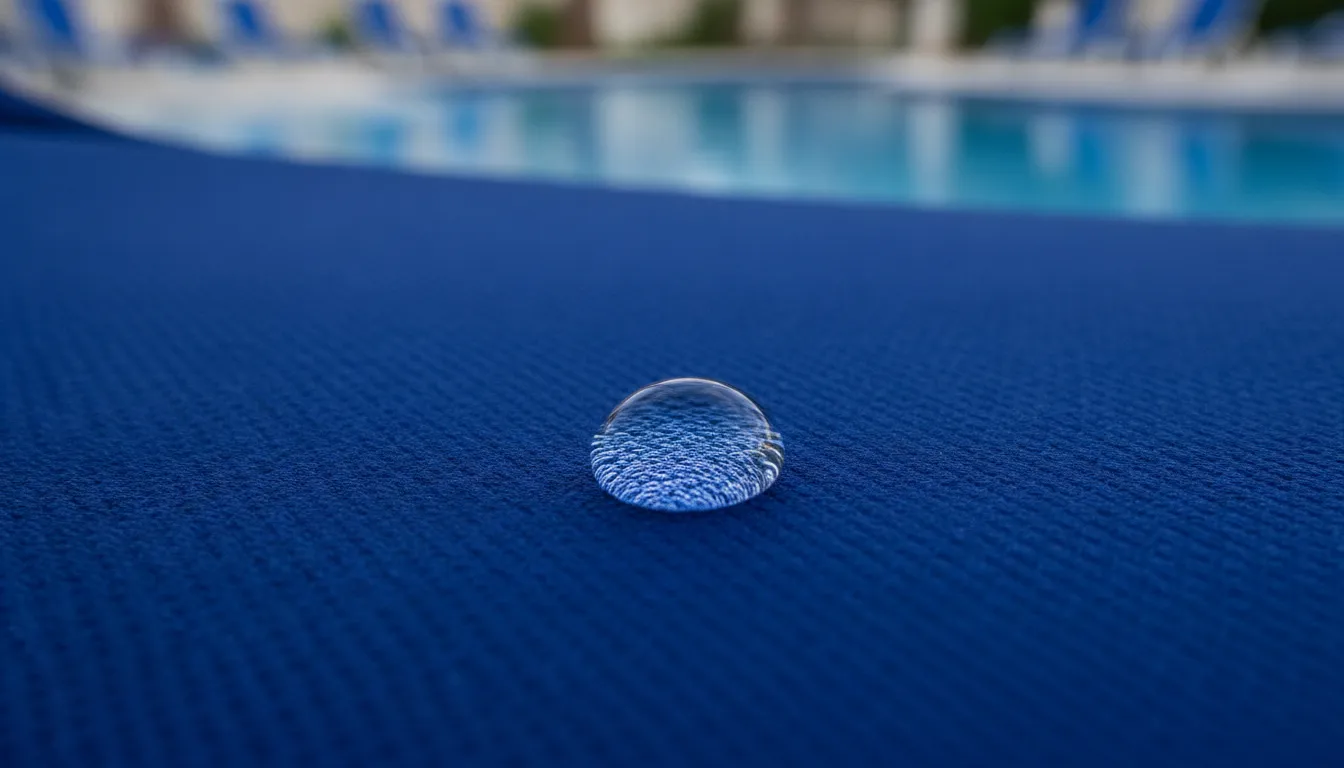
If you attend pool sessions regularly, start with the fiber blend. Polyester and PBT blends offer strong mechanical stretch, shape stability, and longer resistance to pool chemicals. They are usually the better direction when durability is your first concern. Some 100% polyester suits are also made for chlorine resistance and reduced fading from sun exposure, making them suitable for frequent pool use. Browse chlorine-resistant swimwear when comparing fabric options.
Nylon and spandex, or nylon and Lycra, generally provide a softer hand feel and comfortable stretch. But the blend may not offer the same long-term chemical resistance as polyester/PBT. This is a practical tradeoff: choose polyester/PBT for shape retention and repeated chlorine exposure, or prioritize a softer feel when comfort against the skin matters most. Read the fiber percentages rather than relying only on a product name.
A Secure, Snug Fit
A suit for aqua fitness should sit close to the body without pinching at the shoulders, bust, hips, or leg openings. Snug fabric helps prevent shifting as you raise your arms or move through resistance exercises. It should still allow a full range of motion. Nylon/Lycra blends can provide a useful balance of durability and stretch, while elastane in a blend contributes substantial stretch for movement and comfort.
Check that shoulder straps lie flat and do not cut into the skin. Look for secure, adjustable straps when you need to fine-tune the fit. Inspect the leg openings for smooth elastic that stays in place without digging in. A lined front and seat can add coverage and reduce transparency, especially when the fabric is stretched during exercise.
Built-In Support
Support features should match your movement and comfort needs. A built-in shelf bra can provide additional coverage and help keep the bust secure without requiring a separate bra underneath. Look for a stable underbust seam, a fully lined front, and straps wide enough to distribute pressure. Higher necklines can add coverage, while a lower back or open shoulder design may feel less restrictive if it remains secure.
Compare these details in the women's aqua fitness swimsuits collection, then use the brand's size chart instead of guessing from your everyday clothing size. A well-fitted suit should feel held in place, not compressed, from warm-up through the final exercise.
One-Piece vs. Tankini: Which Water Aerobics Suit Style Fits Your Routine?
Suit construction affects how comfortably you can move through kicks, arm sweeps, and jumping intervals. Aquafitness styles balance coverage and mobility differently, so the right choice depends on how much support, sun coverage, and convenience you want from each pool session. Chlorine-resistant polyester is favored for durability and quick drying, while a small amount of spandex or Lycra can add flexibility, according to aquafitness suit guidance.
| Suit style. | Stays put during jumping. | Chlorine resistance. | Coverage. | Support. | Best for. |
|---|---|---|---|---|---|
| One-piece | Excellent when properly fitted. | Available in chlorine-resistant fabrics. | Moderate to full, depending on back and leg cut. | Strongest overall stability, especially with a supportive bust design. | Frequent jumping, active classes, and a secure fit. |
| Tankini | Good, but the top may shift more than a one-piece. | Available in chlorine-resistant fabrics. | Adjustable torso coverage. | Varies by built-in bra, straps, and top length. | Easy restroom breaks and flexible two-piece dressing. |
| Swim dress | Good if the attached brief and skirt fit securely. | Available in chlorine-resistant fabrics. | Extra coverage through the hips and upper thighs. | Varies by bust lining and strap design. | Those who prefer a longer, more covered silhouette. |
| High-neck | Good when the neckline and armholes do not restrict movement. | Available in chlorine-resistant fabrics. | More coverage across the chest and upper back. | Often supportive through a higher front and secure straps. | Added sun protection and a higher-coverage fit. |
| Two-piece | Depends on waistband, rise, and top security. | Available in chlorine-resistant fabrics. | Adjustable by top and bottom selection. | Can be customized, but requires careful fit checks. | Mixing sizes or choosing separate coverage levels. |
For the most secure water aerobics swimsuit during repeated jumps, start with a well-fitted one-piece. The leg openings, straps, and bust area should lie flat without pinching, riding up, or cutting into your shoulders. If changing is the priority, a tankini makes restroom breaks simpler while still providing coverage for class. A swim dress adds fabric over the hips, and a high-neck style can provide more coverage across the chest and upper back for outdoor sessions.
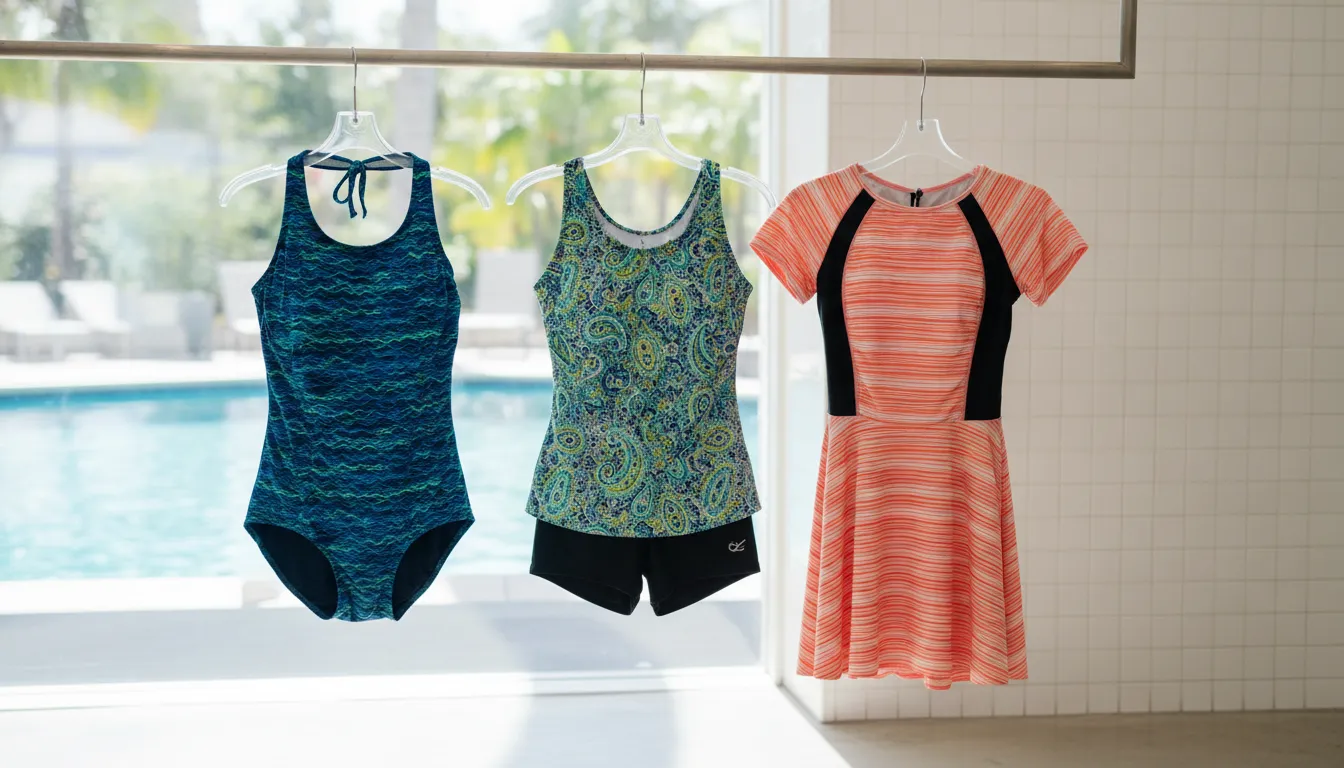
Browse women's swimwear to compare silhouettes, or narrow your search to women's aqua fitness swimsuits for pool-ready designs.
How to Find a Water Aerobics Swimsuit That Fits Your Body Type
A suit should feel secure in the water without making you think about it during class. Start with your current measurements, compare them with the brand's size chart. And choose the size that supports your body rather than the size printed on a favorite older suit. Nylon and Lycra blends offer a useful balance of stretch and durability, while built-in bust support, wider straps, and a lined front can improve comfort during repeated movement.
Start with movement, not a number
Try the suit's fit by raising both arms, reaching overhead, and mimicking jumping jacks and arm circles. The fabric should stay in place while allowing your shoulders, hips, and torso to move freely. A snug fit is appropriate when it follows your shape without pinching, gaping, riding up, or cutting into the shoulders. If the suit feels restrictive when you move on land, it is unlikely to become more comfortable during a full class.
Check the size chart for bust, waist, hip, and torso measurements, especially when your measurements fall across different size ranges. A longer torso may need adjustable straps or a suit designed with extra length. A petite frame often benefits from adjustable straps, a shorter torso proportion, and leg openings that sit flat instead of pulling upward. Do not judge fit by the number alone. Two suits in the same labeled size can fit differently because of their cut and fabric blend.
Match coverage and support to your preferences
For a fuller bust, look for adjustable or wide straps, a supportive shelf bra, molded cups, a higher neckline, and a firm but comfortable underbust area. Test whether the neckline stays in place when you bend and reach. If you prefer more coverage through the hips and upper thighs, a boyleg cut can reduce exposed skin without requiring a loose suit. If you want your legs to feel less covered during steps and leg lifts, a higher-cut leg opening may allow easier movement. The opening should lie flat, not dig into the skin.
Plus-size swimmers can compare suits with wider straps, supportive panels, and cuts that provide coverage where they want it. Swim2000 offers a range of sizes in its women's aqua fitness swimsuits collection. For additional options, browse the women's swimwear collection and review chlorine-resistant swimwear for regular pool use.
Key takeaway: Use measurements and brand-specific size charts, then prioritize a close fit that permits full arm and leg movement. Strap placement, bust support, leg opening, and coverage can be adjusted to suit a petite frame, fuller figure, or personal comfort preference.
Caring for Your Water Aerobics Swimsuit So It Lasts
Pool chemicals, body oils, sunscreen, and repeated stretching can wear down swimwear even when the fabric is designed for regular use. Chlorine-resistant polyester and polyester/PBT fabrics are valued for their resistance to fading, shape loss, and pool chemicals, but careful handling still matters. Shop chlorine-resistant swimwear when you need a suit built for frequent pool sessions, then protect that investment with a consistent care routine.
Rinse after every class
Rinse your suit in cool, clean water as soon as you can after swimming. Work the water through the fabric to remove chlorine and other pool residue, especially around the straps, leg openings, and lining. Do not leave a damp suit rolled inside a towel or sealed in a gym bag, where chemicals remain against the fibers for hours.
Hand-wash with mild detergent
When you get home, hand-wash the swimsuit in cool water with a small amount of mild detergent. Avoid bleach, fabric softener, and harsh stain removers, which can affect stretch fibers and finishes. Washing machines can create unnecessary friction, while wringing or twisting places stress on seams and elastic. Press the water out gently instead of squeezing the suit into a tight ball.
Dry flat and away from heat
Lay the swimsuit flat on a clean towel or drying rack in a shaded, ventilated area. Keep it away from direct sun, radiators, heated drying racks, and tumble dryers. High heat can weaken elastic fibers and contribute to loss of shape. Hanging a heavy, wet suit by its straps can also stretch those areas before the fabric has dried.
Rotate suits and watch for wear
If you attend water aerobics several times a week, rotate between two suits. Alternating suits gives each one more time to dry fully and recover between classes, while reducing the strain of repeated chlorine exposure on one garment. Replace a suit when it remains visibly faded after washing, sags instead of returning to shape, or becomes transparent when stretched. Those changes can reduce coverage and support, even if the seams still look intact.
A simple routine covers the essentials for most swimmers:
- Rinse the suit in cool water immediately after class.
- Hand-wash it with a small amount of mild detergent.
- Press out excess water gently without wringing.
- Dry it flat in a shaded, ventilated space away from heat.
Rinse immediately, wash gently, and dry without heat to help chlorine-resistant fabric retain its shape and coverage. A second suit in rotation is a practical investment for frequent participants, and visible fading, sagging, or transparency are clear signs that it is time for a replacement.
Complete Your Water Aerobics Setup: From Swimsuit to Shoes
A comfortable swimsuit is the foundation, but a few carefully chosen accessories can make pool sessions easier to manage. Build your kit around the pool surface, your eyesight, and the type of resistance you want to use.
Choose shoes for the pool floor
Water aerobics shoes provide traction on wet pool decks and textured floors, while their enclosed uppers help protect feet during walking, jumping, and side-to-side movements. Look for a secure fit that stays on without squeezing your toes. Drainage openings can reduce the amount of water held inside the shoe, which helps it feel less heavy as you move between exercises.
For more detailed guidance on soles, fit, drainage, and pool use, read Swim2000's best water aerobics shoes guide. Try your shoes with the swimsuit and towel you normally bring so you can check the fit before class.
Add eye protection when needed
Goggles are useful if chlorine irritates your eyes or you prefer to keep water out during face-down movements. Beginners do not need racing goggles. Choose a comfortable recreational pair with an adjustable strap and soft seals. The seal should rest around the eyes without requiring excessive pressure. If you wear prescription lenses, prescription swim goggles may make it easier to follow an instructor and move confidently.
Use equipment to adjust resistance
Water dumbbells increase resistance during arm exercises without adding much weight on land. Noodles can support floating drills, add resistance during presses, or help beginners become familiar with balance in deeper water. Start with one type of equipment and follow your instructor's form cues instead of carrying more gear than you can use safely.
Pack the essentials in a simple pool bag: your swimsuit, shoes, goggles, towel, water bottle, and any equipment required by the class. Swim2000's water aerobics workout guide covers additional equipment and practical considerations for older adults starting a routine.
Summary: Pair your swimsuit with pool shoes that match the floor, goggles if chlorine bothers your eyes, and one resistance aid suited to your class. A focused setup keeps beginners and 50+ participants prepared without adding unnecessary gear.
Browse the water aerobics swimwear collection to compare chlorine-resistant styles before your next class.
Frequently Asked Questions
What features make a swimsuit suitable for water aerobics?
Look for secure straps, a fit that stays in place as you bend and reach, and built-in support such as a shelf bra or sewn-in cups. Chlorine-resistant fabric is also important when you attend pool classes regularly.
Why does chlorine resistance matter for aqua fitness?
Repeated pool exposure can fade fabric and contribute to stretching or breakdown over time. Polyester and polyester/PBT fabrics are known for strong resistance to pool chemicals, while nylon/spandex suits with chlorine-resistant elastane can provide a softer feel. Learn more about chlorine-resistant swimwear fabrics.
What type of support should I look for?
Choose support that matches your movement and comfort needs. A shelf bra, sewn-in soft cups, or a firm elastic underband can add stability during jumping, arm exercises, and other active movements. Adjustable straps can also help you fine-tune the fit without relying on excessive tightness.
Is a one-piece better than a two-piece for water aerobics?
A one-piece usually provides more reliable coverage during vigorous movements because it stays connected at the torso. A tankini can be practical if you prefer easier changing or more flexibility around the midsection. Select the style that remains secure and lets you move without adjusting it during class.
What is a boyleg swimsuit, and is it useful for water aerobics?
A boyleg swimsuit has extended fabric over the upper legs, providing more coverage than a traditional brief-cut suit. It can suit participants who prefer added coverage or a more secure feel around the hips and thighs, especially when paired with a chlorine-resistant fabric and supportive fit.
Ready to Shop for Your Water Aerobics Swimsuit?
The right suit can make pool sessions more comfortable by giving you coverage, support, and a fit that stays secure as you move. Shop the water aerobics swimwear collection to compare chlorine-resistant styles and choose an option that suits your routine.


