

Searching for Therabody Smart Goggles 2? Before deciding whether they suit your swim routine, separate what you can verify about the named product from what you expect smart goggles to do. Use this checklist to compare fit, display, data, compatibility, care, and purchase terms without assuming a feature or availability that has not been confirmed.
What should you confirm about Therabody Smart Goggles 2?
The product name alone is not enough to establish what is in the box, how the goggles present information, or whether a particular version is available. Product details can vary by model, generation, region, and seller. Start with a current manufacturer product page or written seller listing, then match the exact name and version before relying on a feature claim.
Key takeaway: Treat the name as a starting point, not a specification sheet. Confirm the exact model, included parts, supported functions, and return conditions from current product information before you make a purchase decision.
- Exact model: Check the full product name, model number, generation, and any size or color variation. A similar name may refer to another product.
- What is included: Look for the goggles, charging equipment if applicable, fit components, instructions, and any other parts named in the listing. Do not assume accessories are included unless stated.
- Feature evidence: Find a clear explanation of what the display or connected functions do. A product label that says smart does not tell you which information is shown or how you access it.
- Availability: Check the seller's live listing and stock status. This article does not confirm that Swim2000 carries Therabody Smart Goggles 2.
If you are comparing an ordinary pool pair as well, browse swim goggles by style and use. For a familiar example of a conventional model, review the listed Arena The One goggles; compare only the details shown on the product page, not assumed smart functions.
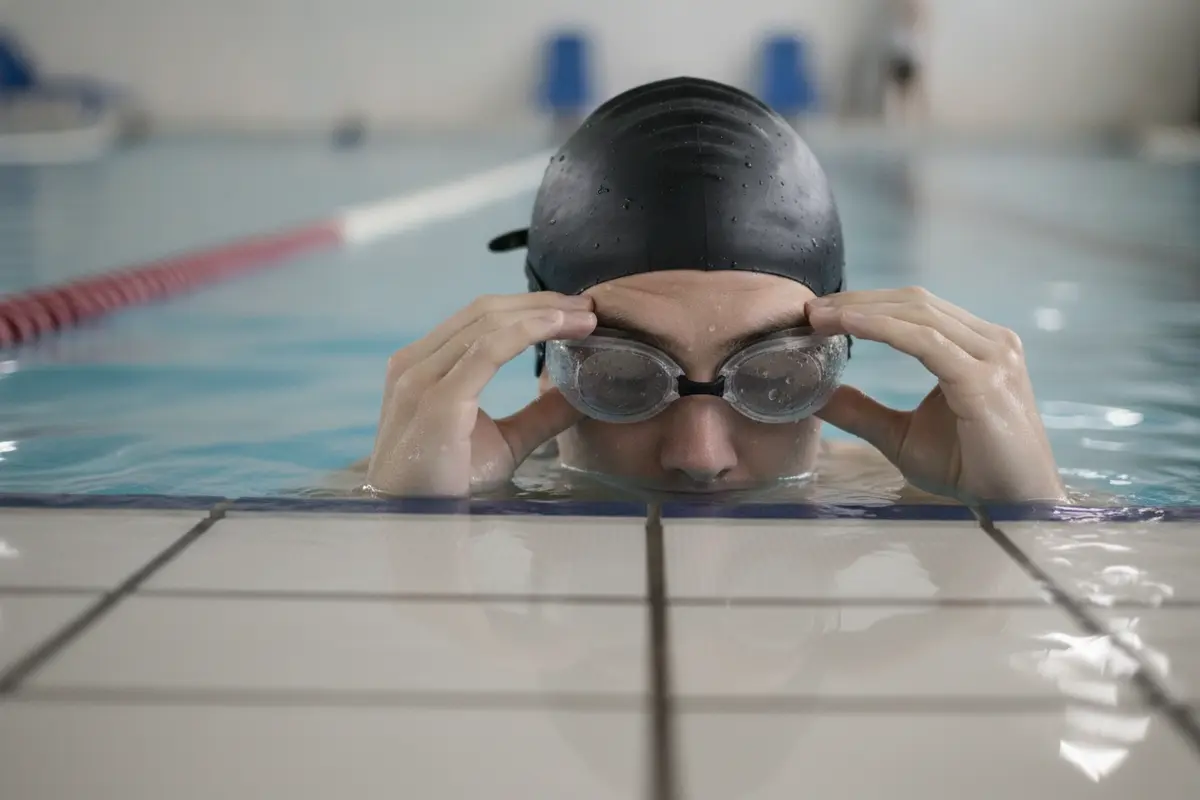
How do you decide whether smart features matter in your swim?
Begin with your own reason for considering connected eyewear. You may want feedback during a pool session, a way to see information without stopping, or simply an alternative to checking a watch at the wall. These are different priorities. Write down the one or two things you want the goggles to help you do, then see whether the manufacturer specifically confirms those functions for the exact model.
Do not buy on the strength of a broad promise such as track your swim. Look for precise explanations. If you care about a particular measure, such as elapsed time, distance, intervals, or pace, verify whether that exact measure is provided, how it is calculated, and whether it appears in the goggles, an app, or both. The product may not offer every item on your wish list. If the documentation is unclear, ask the seller or manufacturer before ordering.
Also consider how you prefer to train. Some swimmers are content to check a clock between repeats and focus on technique while moving. Others like in-session prompts or a record they can review afterward. A device is useful only if its information fits your routine without distracting you from safe awareness, lane etiquette, and the coach or workout instructions.
Key takeaway: Identify the training problem first, then match it to a confirmed function. A feature list is more helpful when it answers your question than when it simply sounds advanced.
Questions to answer before comparing features
- Will you use the goggles mainly for lap swimming, open-water sessions, or both?
- Do you need information during a repeat, or is reviewing a session afterward enough?
- Which specific data point would change what you do in a workout?
- Would you still be happy with the goggles if the connected features were unavailable for a session?
For pool-focused training equipment and swimwear, the competitive swim selection offers another way to compare gear by activity. It does not verify any particular Therabody product's features or stock.
What fit and visibility checks should you make?
Fit is personal, and smart components do not replace the basic job of a pair of goggles: a comfortable, stable seal and usable vision in the water. Check the manufacturer's fitting instructions and sizing information. If the product comes with multiple nose bridges or other fit pieces, confirm which parts are included and how the manufacturer says to adjust them.
When trying on goggles, follow the maker's instructions rather than overtightening the strap to compensate for a poor seal. A fit that feels comfortable on dry land may still need adjustment in the pool. If you cannot try the product before buying, make the seller's return policy part of your decision. Check the return request deadline, required condition, packaging rules, and whether hygiene-related exclusions apply. For Swim2000 orders, review the current policy before purchasing: eligible returns and exchanges have request, arrival, and item-condition requirements.
Visibility deserves the same careful check. Verify lens tint, any stated light-use guidance, and whether the product is intended for the environment where you will swim. Do not infer lens properties from product photos. If you swim outdoors, changing light and open-water conditions call for attention beyond the display; follow local safety guidance and do not let a device draw your attention away from your surroundings.
Think about how and where you swim when judging visibility. Indoor pool lighting, outdoor glare, and cloudy conditions are not interchangeable. If you alternate between settings, check whether the maker offers clear guidance for each one instead of expecting one lens treatment to work equally well everywhere. Your own comfort matters, too: a display or reflective surface that seems useful in product photos may feel different when you are moving through water. A fitting option should not compromise a clear view of the lane, other swimmers, or the pool environment.
For younger swimmers, consider fit and ease of handling alongside feature complexity. A child or teen may need a parent or coach to help set up an app, adjust straps, or understand what a display shows. The adult should also review privacy, account, and data terms if the product requires an account. These are practical questions to answer for the person who will use it and the adult who may manage its setup.
Swimmers who already have a preferred fit can compare the shape and use details of their current pair with new product listings. A listing for an Arena silicone swim cap is a related pool-gear example, but a cap is not a substitute for checking goggle fit or compatibility.
Which compatibility and ownership details deserve a closer look?
Connected products can depend on more than the eyewear itself. Before ordering, check the manufacturer's current requirements for a phone, operating system, app account, wireless connection, charging method, or other supporting equipment. Confirm whether those requirements apply to setup, use during a swim, or post-swim review. Do not assume that a feature works with your existing phone or training platform because another device does.
Battery and charging information matter for routine use. Find the stated operating and charging instructions, then consider how often you swim and whether you can keep the device charged. The seller or manufacturer should state how the product is charged and any care restrictions around the charging point. Avoid guessing battery life from another model or from a general category description.
Check how data is saved and accessed, too. If session history matters to you, look for details about account setup, synchronization, export options, and what happens if you change phones or stop using an app. These terms can affect whether the product fits your habits. They are separate from basic fit and should not be presumed from the word smart.
Ask what happens when the connection is unavailable. Can the goggles still be used as eyewear? Are some functions dependent on a phone, a poolside connection, or a completed setup beforehand? The exact answers depend on the product, so consult its documentation. Knowing which features work independently and which depend on a connected device can help you avoid surprises at the pool. If you train where phones or electronics must stay outside the deck area, check the instructions before assuming how setup and session review work.
Think about maintenance as part of ownership, not as an afterthought. Follow the specific rinse, drying, storage, and charging guidance supplied with the product. Keep any electronic components or charging accessories away from handling that the manufacturer says to avoid. Do not apply care instructions for ordinary goggles to electronics without checking the product manual. If a component needs replacement, verify whether the manufacturer identifies compatible parts and how to order them; a similar-looking part may not fit or work with another generation.
Key takeaway: Confirm the whole ownership setup—not only the goggles. Phone and app requirements, charging, data access, and ongoing usability can shape the experience as much as the hardware.
| What to compare | Questions to verify | Why it matters |
|---|---|---|
| Goggle fit | What sizing or fitting guidance is provided? Which fit pieces are included? | A stable, comfortable seal is a basic need, regardless of connected features. |
| Display and data | Which information is explicitly supported, and where is it shown? | It lets you judge whether a stated feature matches your training goal. |
| Phone and app | Which devices, software versions, accounts, or connections are required? | Compatibility should be confirmed for your own setup, not assumed. |
| Power and care | How is the device charged, and what care instructions apply? | These details affect regular use and product maintenance. |
| Purchase terms | What is included, and what are the current shipping and return conditions? | Clear terms help you compare the complete purchase, not just the headline price. |
How should you compare smart goggles with a standard pair?
A standard pair may meet your needs if fit, clear vision, and a straightforward routine matter most. A connected pair may be worth researching if its confirmed functions solve a specific training or review need for you. The comparison is not about which category is universally better; it is about balancing the features you will use against setup, comfort, and upkeep.
Use a simple two-column list. On one side, write what you need from goggles every time you swim: comfortable fit, suitable visibility, and dependable use. On the other, list optional features you would actually use and the conditions they require. If an optional feature depends on an app or extra setup, include that time and complexity in your comparison. If you cannot find clear product documentation, leave the feature unconfirmed rather than treating it as included.
For example, a swimmer who follows a coach-led set may care most about a comfortable seal and clear vision, and may prefer to leave data review until after practice. A self-directed swimmer might value a confirmed way to review session information later. Neither routine makes a particular model the right answer; each gives you a different test for whether its documented functions are useful. Parents shopping for a developing swimmer can include setup effort and ease of adjustment in the comparison, while triathletes or open-water swimmers should separately confirm that the product's documented use matches the environment they have in mind.
Be cautious about comparing products using generic labels alone. One brand's smart description may refer to a different mix of functions than another's, and a standard goggle may offer a better match for a swimmer who does not want app setup. Compare the exact functions side by side, note any requirements, and mark unknown details as questions for the manufacturer or seller. This makes a practical comparison possible without treating marketing terms as evidence of equivalent capabilities.
Then compare purchase details. Review the exact listed model, included components, seller support, shipping terms, and return eligibility. A lower displayed price does not tell the whole story if required accessories are separate or a return is not available under the conditions you expect. Swim2000 states free standard shipping eligibility for orders of $50 or more shipped to the continental United States; Alaska, Hawaii, and international shipments are excluded. Check the current checkout and policy details for your order.
Browse new swim-gear arrivals if you are comparing other training accessories, or look through new products for recently listed merchandise. Product assortment changes, so a category page is not confirmation that any specific named model is available.
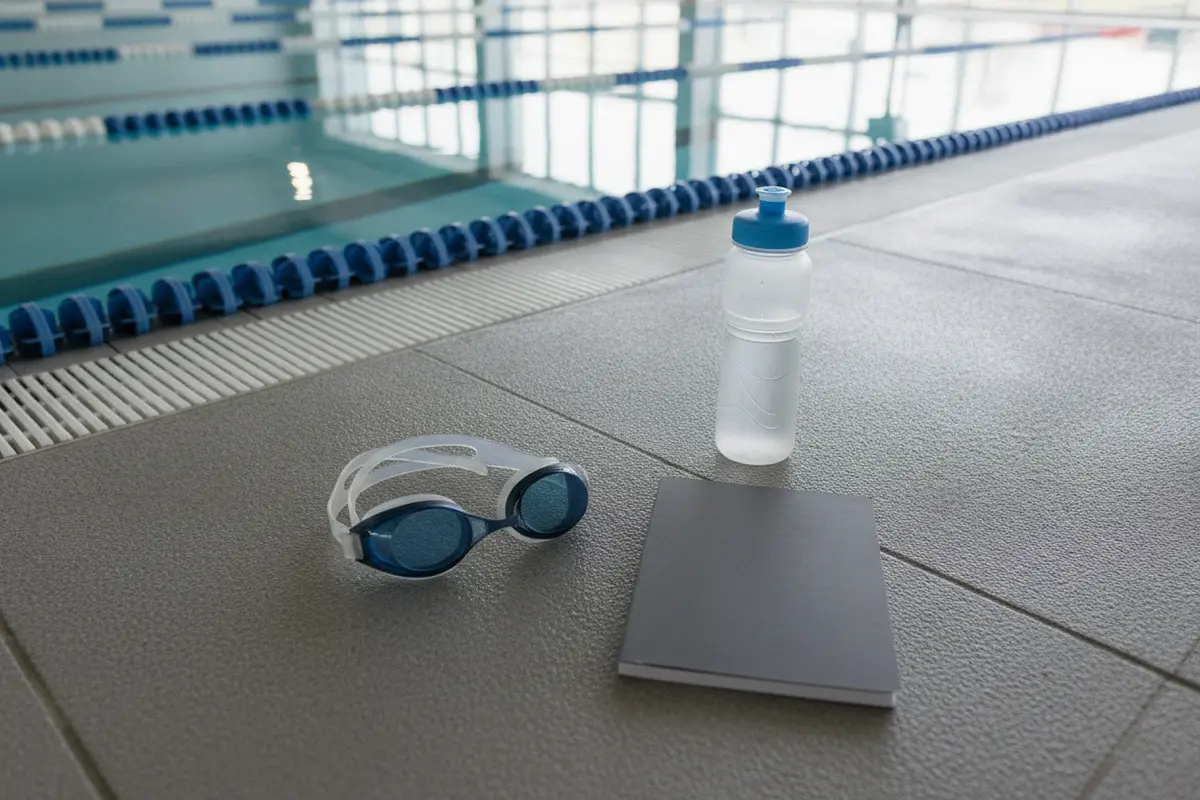
What should competitive swimmers check before using a device at a meet?
Training use and competition use are not automatically the same. Before bringing any electronic or display-equipped eyewear to a meet, check the current rules for the governing body, event, and competition. Ask the meet director or coach if the answer is unclear. A product listing is not a ruling on whether equipment is permitted.
For U.S. swimming, start with the USA Swimming official site and locate the current rules and competition information relevant to your event. Confirm directly with the applicable organization rather than relying on an old article, an informal forum, or a retailer description. Rules and event requirements can change, and the meet organizer may provide additional instructions.
Also test any device during ordinary practice before depending on it for a race. Learn how it fits, how it is operated, and whether it changes your awareness or routine. If you are a younger swimmer, involve a parent or coach in checking equipment requirements and purchase terms.
How can you make a confident purchase decision?
Use this final checklist before placing an order:
- Match the exact product. Confirm the name and model number from a current manufacturer or seller listing.
- Write down your use case. Decide whether the main goal is in-session information, post-swim review, or simply a comfortable pair for regular swimming.
- Verify every essential feature. Check the particular data, display, app, and device requirements you need. Treat anything unclear as unconfirmed.
- Assess fit and visibility. Read the maker's fitting and lens information, and plan around the applicable return conditions if you cannot try the goggles first.
- Review ownership details. Check charging, care, data access, included accessories, shipping, and return requirements.
- Compare against a standard alternative. Decide whether the confirmed added functions justify the extra setup for your routine.
- Check event requirements separately. Ask the relevant governing organization or meet officials before using display eyewear in competition.
For more background on the categories of connected swim eyewear and questions to ask when comparing models, read the smart goggles guide. Use it as general shopping context, then verify current product-specific details before buying.
Explore swim goggles and compare styles
Frequently asked questions
Does this article confirm that Swim2000 sells Therabody Smart Goggles 2?
No. It does not confirm that Swim2000 carries this named product or that it is currently available. Check a current product listing or contact the seller to verify stock, model details, and purchase terms.
What should I verify first when researching Therabody Smart Goggles 2?
Confirm the exact model and version, then locate current documentation for its supported functions, fit, included components, app or device requirements, charging, and return conditions. Do not infer specifications from the product name alone.
Are smart goggles automatically allowed in swim meets?
No. Check the current rules for the governing body and specific meet, and ask a coach or meet official when necessary. Retail product information does not determine competition eligibility.
Should I choose smart goggles over a standard pair?
Choose based on your priorities. If a confirmed connected feature serves a need in your routine and you are comfortable with its setup, it may be worth comparing. If fit and straightforward use are your main needs, a standard pair may be enough.
Careful verification helps you compare the product you are actually considering with your swim needs, rather than relying on assumptions about a name or category.