

When do swim suit sales traditionally happen? Shoppers often check around the end of warm-weather seasons, major holiday promotions, and the arrival of new collections. There is no single calendar that applies to every retailer or swimsuit, so timing is best treated as a chance to compare—not a promise that a preferred style, color, or size will later cost less.
When do swim suit sales traditionally happen?
Retailers may promote swimwear when warm-weather demand is winding down, during holiday shopping periods, or as newer collections arrive. Clearance listings may change throughout the year as individual styles or variants sell. The timing and selection vary; one retailer’s calendar does not establish what another will offer.
Swimwear also serves activities that do not follow a summer-only schedule. Competitive swimmers train through the year, indoor-pool users may need practice suits in any month, and water-aerobics participants replace gear according to their routines. A family planning a warm-weather trip may shop well before departure, while an open-water swimmer or triathlete may shop around a training or event schedule. The right time depends partly on when the suit is needed.
In brief: Seasonal markdowns and holiday offers are sensible periods to check, but neither guarantees a discount on a particular product. Start with the activity, fit, and deadline, then see whether the current offer applies to a suitable item. Swim2000 has served swimmers with swimwear and gear since 1994.
Which shopping seasons are worth watching?
Several periods may bring promotions or assortment changes. These are patterns shoppers can monitor, not fixed rules. Check the actual product listing and offer terms rather than assuming a promotion covers every suit.
- End of a warm-weather season: Some seasonal styles may be reduced as retailers adjust assortments. This period can suit shoppers who are flexible about color or cut. The remaining size range may be narrower, and a style you want may not be reduced.
- Holiday promotion periods: Retailers may advertise time-limited events. Read the dates, qualifying brands or products, and any exclusions. A banner or category label is not proof that a specific variant qualifies.
- New collection periods: When new items arrive, older styles may move into clearance. New arrivals and reduced items can be available at the same time; neither category alone tells you which suit best fits your needs.
- Clearance throughout the year: Clearance pages can change as products and sizes sell or additional items are listed. There is no universal date when all clearance starts or ends.
- Shopping before a planned activity: A trip, class, or meet creates a practical deadline. Shopping early gives you more time to compare options and confirm fit, even if you do not encounter a seasonal promotion.
Swim2000’s 2026 holiday promotion runs November 3 through December 31. It advertises up to 50% off select top brands Arena, Nike, TYR, and Speedo, and up to 30% off other qualifying gear. “Up to” describes a maximum, not the discount on every product. Confirm the current item page, selected variant, and promotion terms before ordering.
For a broader approach to shopping reduced-price products, read our guide to discount swimwear options. It offers ways to compare discounted swimwear without assuming every listing or size has the same offer.
In brief: End-of-season, holiday, and new-collection periods are useful times to look, but they do not promise a certain price or size. A deal is useful when the eligible suit fits your intended activity and will be available in time.
How does clearance differ from a seasonal promotion?
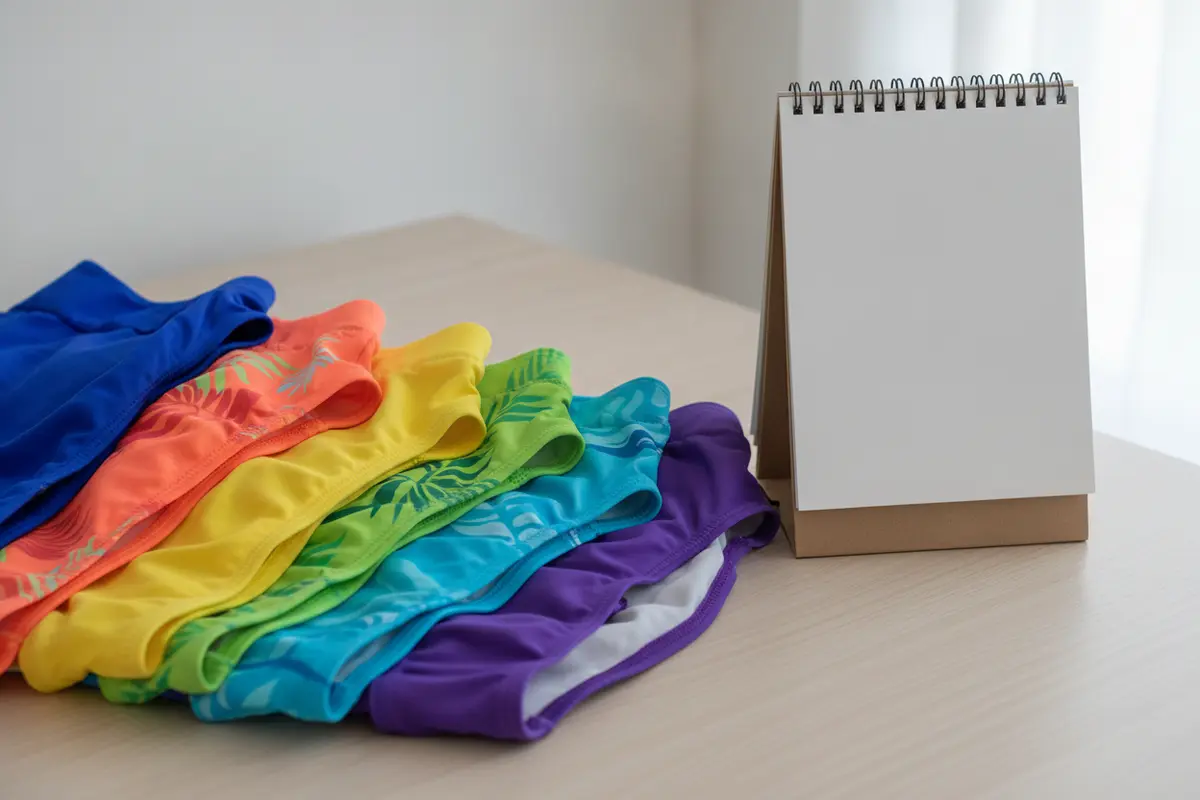
A seasonal promotion may apply to selected products during a stated period. Clearance is usually associated with particular listed products or remaining variants, and its selection may change as inventory sells. Neither label guarantees that every size, color, or cut is included, or that the item you want will be available later.
| What to compare | Seasonal promotion | Clearance |
|---|---|---|
| Timing | May run during a stated holiday or promotional window | Can change as assortment and remaining variants change |
| Product range | Selected products may qualify | Specific styles or variants may be listed |
| Size and color | Confirm the choices on the product page | Remaining options may be limited |
| First check | Offer dates and qualifying products | Current product, size, and color availability |
| Often useful when | You have time to compare eligible items | You are flexible about the precise style or variant |
Consider two shoppers. A competitive swimmer replacing a daily training suit may value familiar fit and suitability for repeated pool use more than a particular color. A vacation shopper may have more flexibility on style but a firm departure date. For either shopper, the lower listed price matters only if the suit fits the intended use and can arrive in time.
Clearance is a retail price or assortment status, not evidence by itself that an item is defective. Read the product details and applicable return conditions. Browse Swim2000’s Clearance Corner to see what is currently listed; availability can change, so confirm the selected variant before checkout.
What should you check before buying a sale swimsuit?
A quick, deliberate review can keep a discount in perspective. Work through these checks before you place an order:
- Match the suit to the activity. Training, competition, water aerobics, and recreational swimming have different practical demands. Think about how often you will use the suit, the coverage you prefer, and the movement your activity involves.
- Use the product’s sizing guidance. Sizing can vary by brand and style. Compare the listed guidance for that product rather than assuming your usual size fits every suit in the same way. For technical or competition swimwear, take brand-specific sizing seriously.
- Confirm the exact variant. Make sure the size and color you want can be selected. A promotional headline does not mean every variant remains available or qualifies for the offer.
- Read the item details and return terms. Swimwear can have hygiene-related restrictions. Review the current policy before ordering and keep tags and packaging while assessing fit. Do not assume a reduced item has the same return conditions as another product without checking.
- Allow time for processing and transit. Swim2000 says most orders process and ship in one to two business days, or three to five during peak periods. These are processing estimates, not a delivery-date guarantee. Include transit time and a buffer for trying the suit before a trip or event.
- Check the full checkout cost. Free standard shipping applies to qualifying orders of $50 or more shipped to the continental United States; Alaska, Hawaii, and international shipments are excluded. Confirm the shipping choices and any costs shown for your destination and order.
Price is only one part of the comparison. If you are choosing between a currently available suit that fits your deadline and a possible future markdown, consider the risk of waiting: the needed size might sell, or the suit may never be discounted. If your schedule is flexible, checking current listings periodically is reasonable, but it does not reserve a variant.
To compare activity-specific choices, you can browse competitive swimwear, water-aerobics gear, or new swimwear arrivals. These collections provide different shopping paths; check each product for its own details and current availability.
How should you match sale timing to your swim routine?
Start with when you will use the suit and what it needs to do. Someone swimming several times a week may put comfort, movement, and a familiar fit first. A recreational swimmer may care more about coverage and style. A family shopping for a child may also consider expected growth and how often the suit will be used. A markdown does not make a poor fit or unsuitable product a better purchase.
For competition, check brand-specific sizing, construction, care instructions, and any meet rules that apply to the suit. Do not choose a technical suit solely because it is discounted. Product suitability and correct fit come first, and the applicable event rules should be checked separately from a retailer’s promotion.
For water aerobics, consider comfort and coverage during the movements in class. Shoppers who need flotation or resistance equipment can compare the relevant product details along with swimwear rather than treating all aquatic-fitness needs as the same. The water-aerobics collection groups gear for that activity.
A calendar can make sale timing concrete. Mark the date the suit must be ready, then work backward to set a personal order-by date that leaves room for processing, transit, and a fit check. If a retailer lists a promotion that ends before that order-by date, compare qualifying products while it is active. If you are shopping well ahead, note when you want to review offers again; do not count on a specific style being held for you or appearing in a later promotion.
Coaches and swimmers preparing for a season can use the same approach for practice gear. First list the items that are essential for the next training block, then separate them from optional preferences such as color. Replacing a suit that is no longer suitable may be time-sensitive, while adding a second suit for convenience may allow more flexibility. This distinction helps keep a sale from becoming an impulse purchase: choose gear for a real use, and treat a discount as one condition to consider rather than the only reason to buy.
For a family trip, work backward from the departure date. Identify the sizes needed, allow time for processing and transit, and leave room to check fit before packing. Waiting until the final days for a promotion adds uncertainty, especially if a particular size is essential. For younger swimmers, think about fit at the time of use instead of buying an unsuitable size just because it is marked down. Swim2000’s boys’ new arrivals and girls’ swimwear pages offer separate paths for browsing children’s products.
Some shoppers need equipment in addition to a suit. Goggles have their own fit and lens considerations, so compare them according to pool practice, racing, or open-water use. The swim goggles collection is a separate place to explore those options. If a trip or training plan calls for other equipment, new swim gear can help you compare current listings.
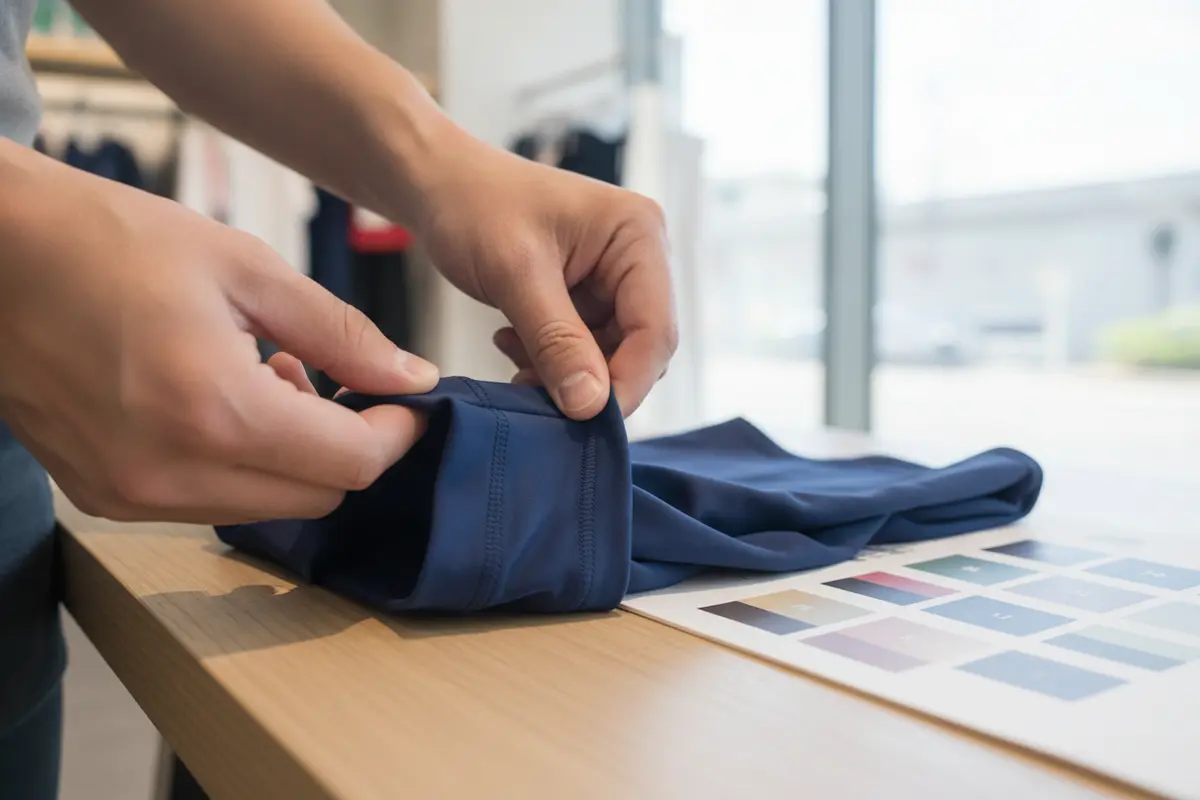
In brief: Use your routine and deadline to decide how much uncertainty you can accept. A flexible shopper can compare more styles over time; a swimmer who needs a particular fit for a scheduled activity should give availability and delivery time more weight than a possible future sale.
How can you make a simple buy-now-or-wait decision?
Rather than trying to predict a retailer’s calendar, use a short decision process. It works for a practice suit, a family purchase, or gear needed for a trip.
- Write down the deadline. A meet, class, or trip gives you a date by which the item must be ready. Leave time to receive the order and check the fit.
- List your non-negotiables. Note the activity, preferred coverage or construction, acceptable size range, and any event requirements. Separate essentials from preferences such as color.
- Check current eligible products. Compare the actual offer terms and price for the exact product and variant, not only a headline discount.
- Decide how flexible you are. If several styles and colors would work and there is no deadline, periodic checks may be reasonable. If one size or fit is essential, waiting risks losing that option.
- Review the whole order. Consider processing estimates, the shipping terms for your destination, and the current return conditions. Then compare the available product against your real plan.
For example, a swimmer with an event in two weeks should not build a plan around a hypothetical end-of-season markdown. The immediate priorities are a suitable suit, correct sizing, and enough time for processing and transit. A recreational shopper with no fixed date can compare current clearance with new arrivals, then decide based on fit, use, and price without assuming either category is always the better value.
Here is another way to weigh the choice. Suppose you find a suit that meets your needs today, but you wonder whether to wait for a holiday offer. Ask whether you would still want that exact suit at its current terms, whether another color or cut would work, and what happens if your size disappears. If the answer to the last question creates a real problem, certainty about a suitable available option may matter more than a chance of a lower price. If you can comfortably choose among multiple options and your activity is months away, monitoring promotions may be less risky.
If the sale you expected does not appear, decide whether the currently available product meets your needs and budget. Compare swimwear new arrivals alongside clearance listings rather than assuming older means unsuitable or new means better. For men’s styles, men’s new arrivals is another category path to review. Check product-level details, because availability and terms can differ from item to item.
Retail promotions are not governed by a universal swimsuit sale calendar. The Federal Trade Commission’s consumer protection agency website is a source for information about truthful marketplace practices. For a shopper, the practical lesson is simple: read the actual offer terms and compare the current item details rather than relying on a headline alone.
In brief: Buy when an available suit matches your activity, size, and timeline and its terms work for you. Wait only when you can accept uncertainty about future discounts and remaining stock.
Explore discount swimwear options and compare current deals
Frequently asked questions
Are swimsuits usually cheaper at the end of summer?
Some retailers may reduce selected seasonal styles as warm weather ends, but there is no universal schedule. Sizes and colors can be limited, and suits used for year-round training may follow a different pattern.
Are holiday swimsuit discounts available on every item?
No. A promotion may cover selected products, and “up to” describes a maximum rather than a discount on every item. Check the qualifying products, product page, and offer terms.
Should I wait for a sale if I need a suit for a meet?
Not necessarily. Prioritize correct fit, suitability for the event, and enough time for processing and transit. A future discount is uncertain, and a preferred size may no longer be available.
Does clearance mean a swimsuit is defective?
No. Clearance describes a retail listing or price status, not a conclusion about quality. Review the product details, condition information, and applicable return terms.
Check current product details and offer conditions before you buy, and choose a swimsuit that fits your activity as well as your budget.