


A swim robe gives you more coverage than a towel and more moisture-friendly comfort than an everyday robe. The right one can help you dry off, stay warm between sessions, and change with privacy at the pool, beach, or open-water venue without juggling a towel around your waist.
Shop Swim2000 swim robes and towels for your next poolside session.
Choosing well starts with the job you need the robe to do. A soft cotton or terry style suits indoor pools, lessons, and quick changes. A warmer, more protective layer may be better for a windy open-water exit. This guide breaks down the differences so you can match fabric, fit, and features to your routine.
What Is a Swim Robe?
A swim robe is a loose cover-up designed to be worn before or after swimming. Depending on the style, it may absorb water like a towel, provide warmth like a lightweight coat, or give you enough room to change underneath. Most swim robes include features that are useful around water, such as a hood, roomy cut, belt or closure, and pockets.
Unlike a standard bathrobe, a swim robe is selected for movement between wet and dry environments. Unlike a towel, it stays on your body while you walk, wait, pack your gear, or change. Unlike a swim parka, many robes prioritize absorbency and changing convenience over windproof insulation.
For a swimmer who leaves the water wet, walks through a cool deck area, and needs to get dressed without a private room, that combination solves several small problems at once. It keeps your hands free for your goggles and swim bag while providing coverage and a layer of comfort.
Which Fabric Is Best for a Swim Robe?
The best swim robe fabric depends on whether your priority is drying, warmth, packability, or weather protection. Cotton terry is absorbent and comfortable for routine pool use. Microfiber is light and quick to dry. Fleece adds warmth but is not usually the first choice when rapid water absorption is your main need. A coated outer shell helps in wind and rain, but it changes the robe from a simple towel-like layer into more technical outerwear.
| Fabric or construction | Best for | What to consider |
|---|---|---|
| Cotton terry | Pool sessions, lessons, and drying after a swim | Soft and absorbent, but can feel heavier and take longer to dry when saturated |
| Microfiber | Travel, warm-weather swimming, and compact packing | Lightweight and fast drying, with a different feel from plush terry |
| Fleece lining | Warmth after cold water or outdoor sessions | Insulating and comfortable, but less towel-like than terry |
| Water-resistant or coated shell | Windy, wet outdoor conditions | Helps shield you from weather, but may need a separate towel for drying |
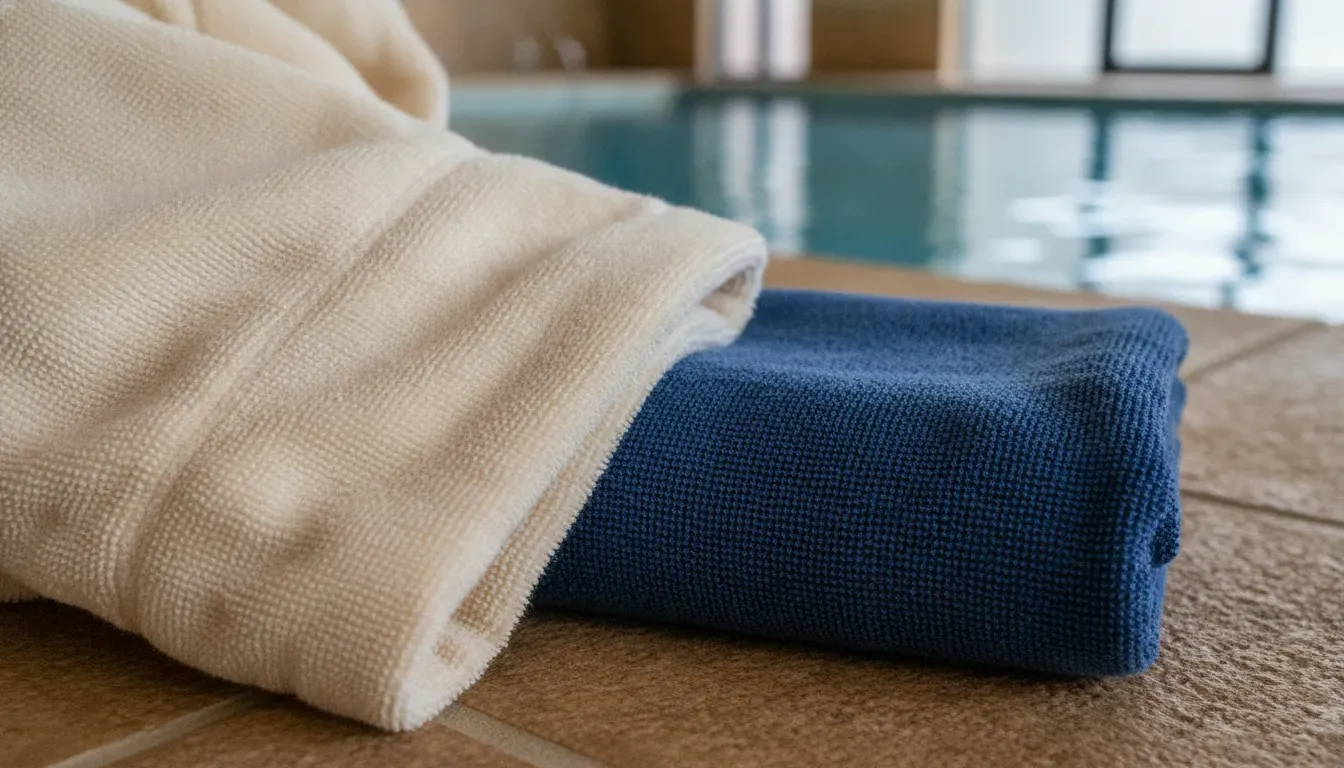
Absorbency is not the same as warmth. A terry robe can pull moisture from your skin while a fleece-lined or shell-style robe can trap heat and block moving air. If you regularly use a robe immediately after a cold open-water swim, consider whether you need a drying layer, a warm layer, or two separate pieces that each do one job well.
How Does a Swim Robe Compare With a Towel, Parka, or Everyday Robe?
A swim robe sits between several familiar pieces of clothing. The difference is not just length or appearance. It is how the garment handles wet skin, movement, changing, and the conditions around your swim.
| Layer | Main job | Where it works best |
|---|---|---|
| Swim towel | Remove water from your skin and hair | Every swim, especially when you need a quick dry-off |
| Swim robe | Combine coverage, drying, warmth, and easier changing | Pool decks, lessons, beach access, and post-swim changing |
| Swim parka | Insulate you between races or in cold, windy conditions | Outdoor meets, cold-weather practices, and extended deck time |
| Everyday bathrobe | Provide comfort and coverage at home | Bathrooms, bedrooms, and indoor lounging |
A towel is still useful even when you own a swim robe. Pat your skin and hair dry first, then put on the robe to stay covered and comfortable while you change. A swim parka may be the better layer when wind resistance and insulation matter more than absorbency. Swim2000's swim parka collection is a separate place to compare deck-focused outerwear.
An everyday robe may feel comfortable, but it is not always cut for changing over a swimsuit or handling a damp pool deck. A swim robe generally gives you more room to move and uses materials or details chosen for post-swim routines.
What Fit and Features Matter at the Pool?
Fit determines whether a swim robe feels useful or cumbersome. You need enough space to pull it over a wet swimsuit and, if changing underneath matters, enough volume to move your arms without exposing yourself. The robe should not be so oversized that the hem drags, sleeves interfere with gear, or the garment becomes difficult to carry.
- Room through the body. Look for a relaxed cut that accommodates a swimsuit, training suit, or light clothing underneath. Extra room is useful for changing, but excessive fabric can become heavy when wet.
- A practical length. A longer hem provides more coverage while a shorter cut may be easier for walking, sitting, and packing. Choose based on where you change and how much privacy you need.
- A hood that stays useful. A hood can cover wet hair and protect your head from a breeze. Check that it sits securely without blocking your vision as you walk around the deck.
- Closures that match the routine. A belt is simple and adjustable. A zipper or snap closure can make the robe faster to secure when you are carrying a bag or helping a child.
- Pockets with a sensible purpose. Pockets are handy for a locker key, cap, or small personal item. Avoid loading wet pockets with anything that could be damaged by water.
- Sleeves that leave your hands functional. Long sleeves add warmth, while shorter sleeves can make changing easier. If you need to remove a swimsuit under the robe, sleeve room matters more than a tailored silhouette.
- Construction that handles repeated use. Inspect seams, belt attachment, hood stitching, and pocket openings. A robe used several times a week needs construction that can tolerate regular washing and packing.
For children in lessons, prioritize a secure fit, easy entry, and enough coverage for walking from the changing area to the car. For competitive swimmers, consider how the robe works between heats and whether pockets or sleeves interfere with your meet routine. For water aerobics, a comfortable, easy-on layer may matter more than heavy insulation.
Make post-swim changing easier with a cotton swim poncho from Swim2000.
When Should You Choose a Swim Robe?
A swim robe is especially useful when you need to stay covered and comfortable for more than a few minutes after leaving the water. The best style will change with the activity, venue, and weather rather than with a universal ranking of one garment for everyone.
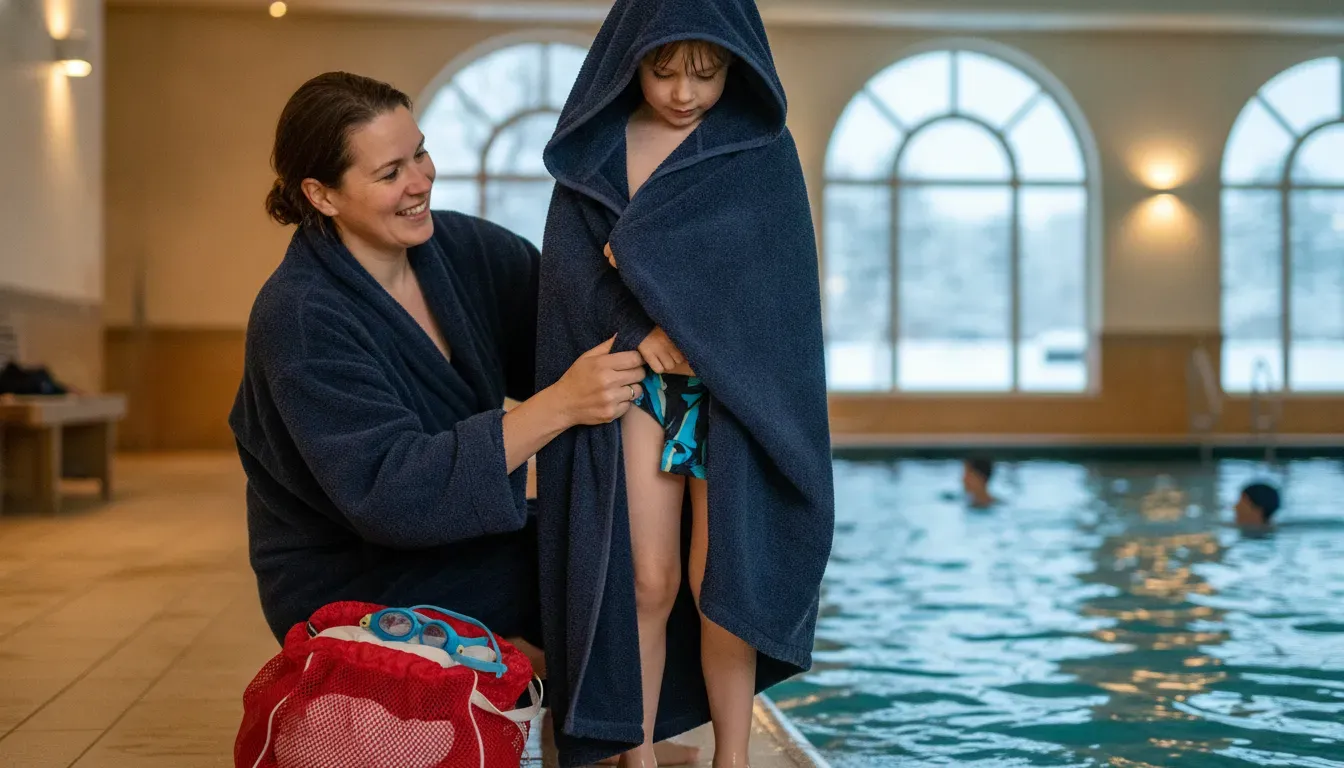
- Competitive swimming: A robe can provide coverage while you move between the pool, locker room, and team area. If you spend a long time outside between races, compare it with an insulated swim parka.
- Swimming lessons: A hooded terry robe can help children stay covered while they wait, change, and leave the facility. Choose a size that is easy for the swimmer to put on and remove.
- Water aerobics: A soft, manageable robe is useful after class when you are moving through a shared facility. Look for a comfortable fit that does not feel bulky over damp clothing.
- Open-water swimming: A robe can make the transition from water to dry clothes more private and comfortable. In cold or windy conditions, favor a warm or weather-resistant design, and do not assume a towel robe provides the insulation of a technical parka.
- Triathlon and paddle sports: A roomy changing robe can help when you need to change at a venue without a nearby changing room. Packability and fast drying may be important when your gear stays in a transition bag or vehicle.
Swim2000's Swim Towels and Robes collection brings together towel and robe styles so you can compare the type of coverage and absorbency you need. Product details should be your final check for materials, sizing, and care instructions because construction varies by brand and model.
How Do You Use a Swim Robe in a Changing Room?
A robe can be helpful in a shared changing room, but it is not a substitute for following facility rules or using a designated changing space when one is available. Use it as a privacy layer and keep your movements controlled so the robe stays closed and your wet items do not contact clean clothing.
- Dry off first. Use a towel to remove excess water from your body and hair. This improves comfort and keeps the robe from becoming saturated immediately.
- Put the robe on before removing your swimsuit. Secure the belt, snaps, or zipper so the robe provides coverage before you begin changing.
- Keep clean clothes organized. Place underwear, clothing, and shoes where they will stay dry. A separate wet bag helps prevent damp swimwear from soaking the rest of your gear.
- Change one item at a time. Work beneath the robe without rushing. The extra room is meant to make the process easier, not to eliminate the need for care.
- Pack the robe for drying. If the robe is damp, keep it separate from dry clothing until you can hang it fully open.
For a child, an adult may need to help with the closure or hold clean clothing within reach. For an athlete at a crowded meet, practice the routine before race day so changing under a robe does not create extra stress.
How Should You Wash and Store a Swim Robe?
Follow the care label first because cotton terry, microfiber, fleece, and coated fabrics have different washing needs. In general, rinse or wash a swim robe as directed after repeated pool use, especially if it has been exposed to chlorine, salt water, sunscreen, or sand. Do not seal a damp robe in a swim bag for longer than necessary.
- Separate wet gear. Use a breathable or waterproof wet bag for transport, then remove the robe promptly when you get home.
- Rinse when the care label allows. Fresh water can help clear pool or salt residue before the main wash.
- Avoid unapproved fabric softener. It may affect absorbency on towel-like fabrics. The care label is the authority for detergent and temperature.
- Dry it completely. Hang the robe open or use the drying method listed by the manufacturer. A folded damp robe can develop an unpleasant odor.
- Inspect closures and seams. Check the belt, hood, pockets, and zipper or snaps before storing it for the next session.
Care is part of the selection decision. If you swim often, a robe that takes too long to dry may be frustrating even when its fabric feels comfortable. If you travel with limited space, a lighter fabric may fit your routine better than a thick, heavy layer.
Swim Robe Buying Checklist
Before adding a swim robe to your gear bag, match the garment to the moments when you will actually wear it. A concise checklist can keep the purchase focused on comfort and use rather than on a long list of features you may never need.
- Choose cotton terry when absorbency and soft poolside comfort are your top priorities.
- Choose microfiber when low weight, quick drying, and packability matter most.
- Choose fleece or a weather-resistant shell when warmth and wind protection are central to the routine.
- Confirm that the fit allows you to wear the robe over a wet swimsuit and move your arms comfortably.
- Check the length, hood, closures, sleeves, and pockets against your venue and changing needs.
- For children, confirm the robe is manageable to put on, secure, and remove without dragging.
- Read the care instructions before buying, particularly if you swim several times a week.
- Keep a separate towel in your bag if the robe is designed mainly for warmth or privacy rather than drying.
Find a cotton swim robe for your poolside routine at Swim2000.
Frequently Asked Questions About Swim Robes
What is the best robe to wear after swimming?
The best robe after swimming is the one that matches your main need. Choose absorbent cotton terry for routine pool use, lightweight microfiber for travel, or a warmer weather-resistant design for cold and windy outdoor sessions. Keep a towel available for the first dry-off.
Can a swim robe replace a towel?
Some swim robes absorb moisture, but they do not always replace a dedicated towel. A towel can remove excess water quickly, while the robe adds coverage, warmth, and changing convenience. Using both is often the most practical setup.
What is the difference between a swim robe and a swim parka?
A swim robe is often centered on absorbency, privacy, and changing. A swim parka is usually built more for insulation and protection from wind or rain between races and during outdoor practices. Product materials and construction vary, so check the individual description.
Can you change clothes under a swim robe?
Many swim robes are cut loosely enough to let you change underneath, especially poncho and changing-robe styles. Secure the robe before removing your swimsuit, keep clean clothing within reach, and use a designated changing area when the facility provides one.
Are swim robes useful for children?
Yes. A properly sized swim robe can give a child coverage and warmth while they wait for a lesson, leave the pool, or change with help. Prioritize a manageable fit, secure closure, and enough room for comfortable movement.
How do you keep a swim robe from smelling?
Do not leave it sealed while damp. Follow the care label, remove it from your swim bag promptly, rinse when appropriate, and dry it completely before storing. A breathable wet bag can help separate it from dry clothing during the trip home.


