


Starting at a pool does not require a closet full of equipment. The right swimming gear for beginners is a short list of comfortable, well-fitting essentials, followed by a few additions that match your sessions. Begin with swimwear, goggles, and a way to keep your hair contained, then add training aids only when you know how you want to use them.
Shop Swim2000's swim gear for your first pool sessions.
What Do Beginners Need for a First Pool Session?
For a first general-pool visit, bring secure swimwear, comfortable goggles, a cap if your pool requires one, a towel, and a ventilated bag. A coach or facility may provide the training aids, so you can postpone those purchases until you know what your sessions require.
For most adult lessons, lap-swimming sessions, and casual fitness swims, pack these essentials:
- Swimwear made for movement: Choose a suit that stays secure when you reach, kick, and turn.
- Comfortable goggles: They help you see clearly and keep water out of your eyes while you learn to breathe and orient yourself.
- A swim cap: A cap is not required at every pool, but it can keep hair contained and make goggles easier to position.
- A towel and dry clothes: These are not technical gear, but they make the trip home easier.
- A mesh gear bag: Ventilated storage gives wet equipment a place to drain after your session.
Check your pool's rules before you go. Some facilities require caps, limit certain flotation devices, or provide kickboards and pull buoys for lessons. If the facility supplies training equipment, you can wait before buying your own.
Pack water as well. Swimming can feel cool while still demanding steady effort, and a bottle on the pool deck helps you take regular breaks. Avoid bringing glass containers, jewelry that can snag, or loose accessories that could fall into the pool.
Start With These Four Essential Pieces
1. A swimsuit that stays put
Your first swimsuit should let you move without constant adjustments. For a one-piece, check that the straps stay flat and the torso feels secure when you lift both arms. For a jammer or brief, the waistband should stay in place without digging in. For training sessions, fabric designed for repeated pool use is usually more practical than fashion swimwear with loose ties, decorative hardware, or delicate details.
Fit matters more than a particular style. A suit that is too loose can shift during a lesson, while one that is too tight may distract you from learning. Move through a few test positions before keeping the suit: raise your arms, bend your knees, rotate your shoulders, and take a deep breath. The suit should feel supportive without restricting normal movement.
Swim2000 carries separate collections for women's swimwear and men's swimwear, making it easier to start with styles designed for regular pool use rather than guessing from general clothing.
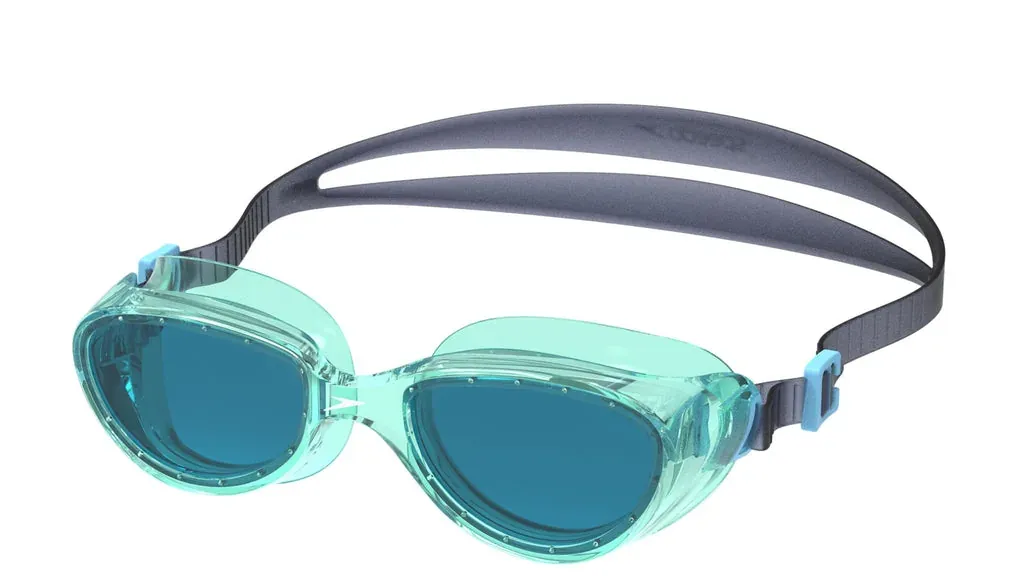
2. Goggles with a reliable seal
Goggles should seal around your eye sockets, not press directly on your eyes. To test a pair, press the lenses gently against your face without using the strap. A suitable pair should hold briefly from suction alone. If the lenses fall away immediately, tightening the strap is unlikely to fix the underlying fit.
Look for soft gaskets, an adjustable strap, and a nose bridge that lets the lenses sit comfortably at your eye spacing. Beginners often do better with a forgiving recreational or fitness shape than with a very narrow racing profile. Clear or lightly tinted lenses suit many indoor pools. Mirrored or darker lenses can be more comfortable outdoors or under bright lights, but lens color does not replace a good seal.
Once the goggles fit, adjust the strap so it holds the cups in place without creating pressure marks. The gasket creates the seal; the strap mainly keeps the goggles positioned. The Swim2000 swim goggles collection is a practical place to compare general-purpose styles before choosing specialized competition, open-water, or prescription goggles.
3. A cap that matches your needs
Swim caps can keep hair contained, reduce loose strands around your face, and help goggles stay in position. Silicone caps are smooth, durable, and commonly used for regular training. Lycra or fabric caps are softer to put on and may feel more comfortable for casual sessions, although they generally do not keep hair as dry.
Choose a size that covers your hair without creating a sharp pressure point at your forehead. To put on a silicone cap, gather long hair low at the back of your head, place the front edge above your eyebrows, and pull the cap backward with both hands. Avoid dragging fingernails across the material. The Swim2000 swim cap collection includes a range of cap styles so you can prioritize comfort, hair coverage, or a team-style fit.
4. A towel and ventilated bag
A towel is easy to overlook when you focus on technical gear, so add it to your checklist before leaving home. A mesh bag is also useful because it separates wet items from dry clothing and allows air to circulate. Do not seal a damp suit, cap, or goggles in an airtight pouch for the drive home. Rinse the equipment when you can, then let it dry fully before storing it.
You do not need a large meet bag for your first lesson. A small mesh bag with enough room for your suit, cap, goggles, and one or two training aids is usually easier to carry and organize.
Which Gear Is Optional at First?
Training aids can make practice more structured, but they are not prerequisites for learning to swim or completing a basic lap session. Add them after a coach, instructor, or your own routine gives you a clear reason to use them.
Kickboard
A kickboard supports the upper body while you practice kicking. It can help a new swimmer focus on body position, breathing, and the rhythm of the legs without managing a full stroke at the same time. Use it for short drills and follow the instructions from your instructor. A board that is too large can feel awkward, while a smaller board may be easier to control.
Fins
Short training fins add resistance and surface area to your feet, which changes how your kick feels. They can help you experience a more streamlined body position and keep momentum during drills. Start with brief repeats rather than wearing fins for an entire session. The fit should be snug without creating painful pressure at the heel, toes, or top of the foot.
Pull buoy
A pull buoy sits between the thighs and helps keep the legs near the surface while you focus on the arms and breathing. It is a training aid, not a flotation device for learning to swim. Ask an instructor to show you the correct position and avoid squeezing it aggressively with your knees.
Training snorkel and hand paddles
A center-mount swim snorkel lets you focus on alignment and arm movement without turning to breathe. Hand paddles increase the surface area of the hands and can change the load on your shoulders. These tools require more technique awareness than a beginner may have during a first session. Add them when you can use them without losing a controlled stroke or creating shoulder discomfort.
Shop resistance training gear when you are ready to explore structured drills. You can also browse the broader swim gear collection and choose one aid at a time instead of buying an entire kit before you know what your pool, coach, or goals require.

How Should You Choose Gear for Different Pool Sessions?
For a coached lesson
Prioritize secure swimwear, comfortable goggles, and a cap if the facility or instructor requests one. Ask whether the pool supplies boards, noodles, fins, or other equipment. Your goal in a lesson is to hear instructions, move freely, and repeat the skill safely, not to test every training aid in the store.
For easy lap swimming
Choose a suit that will remain comfortable over repeated lengths, goggles with a dependable seal, and a cap if it helps with hair or pool rules. Keep a bottle and towel within reach. Once you swim consistently, a kickboard or short fins may add variety to warm-ups and drills.
For fitness-focused sessions
Comfort and visibility become especially important when you plan to swim for longer intervals. Fitness goggles with a wider gasket may distribute pressure more comfortably than a narrow racing model. A suit with stable straps or a secure jammer can reduce distractions during repeated lengths. Explore fitness goggles if your priority is a comfortable, general-purpose fit.
For family pool time or casual recreation
Start with activity-appropriate swimwear and goggles, then follow the facility's safety rules. Training aids are optional, and flotation products for children should be selected and used according to the pool's guidance. Do not treat a kickboard, pull buoy, or swim fins as a substitute for supervision or a properly fitted safety device.
What Should a Beginner Check Before Buying?
A short pre-purchase check can prevent the most common gear mistakes.
- Purpose: Is the item for lessons, relaxed laps, fitness, or a specific drill?
- Fit: Can you move normally without the item shifting, pinching, or rubbing?
- Pool setting: Will you swim indoors, outdoors, in bright light, or in a crowded lane?
- Frequency: Will you use the item occasionally or expose it to pool water several times a week?
- Care: Can you rinse, dry, and store it properly after every session?
- Rules: Does your facility permit or require the item?
Pay close attention to brand sizing charts for swimwear, caps, and fins. Clothing sizes are not interchangeable across brands, and a swimsuit's fabric composition can change how it feels when wet. When choosing goggles, prioritize the face seal and bridge adjustment over a familiar brand name.
Buying gradually is often the more practical approach. A well-fitting suit, goggles, cap, towel, and bag will take you through many first sessions. Later, you can add a board, fins, pull buoy, snorkel, or paddles when a clear training need appears.
A simple way to manage your first gear budget
Put the largest share of your first purchase toward items that touch your body or affect comfort: a suit that fits, goggles that seal, and a cap you can put on without a struggle. Reusable accessories can wait if your pool supplies them. Before adding a training aid, ask what problem it solves and whether you can use it with controlled technique.
Compare construction and fit rather than choosing only by the number of features. An adjustable nose bridge, stable straps, durable suit fabric, or a ventilated bag may matter more to a beginner than a specialized lens coating or a full set of drills. Read the product details and brand sizing information, then keep the receipt and inspect the gear at home before its first session.
How Do You Care for Beginner Swim Gear?
Simple care protects both fit and comfort. After each pool session, rinse your suit, cap, goggles, and training aids with clean, cool water to remove pool chemicals and residue. Do not wring a swimsuit or twist goggles. Press excess water from fabric, then hang or lay each item where air can circulate.
Let goggles air-dry before placing them in a case. Avoid touching the inside of the lenses, since fingerprints and rubbing can damage an anti-fog coating. If the lenses fog, follow the product's care instructions and use a compatible anti-fog treatment rather than scrubbing the lens surface.
Keep silicone caps away from sharp edges and store them flat or loosely folded when completely dry. Store fins and boards where they will not be bent under heavy gear. A mesh bag can hold equipment between sessions, but do not leave damp items sealed inside it for days.
When a suit loses its shape, becomes transparent when wet, or no longer stays secure, it may be time to replace it. Replace goggles when the gasket stops sealing, the strap loses reliable tension, or the lens becomes difficult to see through after proper care. Replace a cap when cracks, thinning, or stretched material prevents it from staying in place.
For dedicated cleaning products and care supplies, visit Swim2000's swimwear cleaner and suit care collection. A consistent rinse-and-dry routine is more useful than a complicated storage system.
When Should You Upgrade Beyond the Basics?
Upgrade when your routine gives you a specific reason, not because a more advanced-looking product automatically belongs in a beginner bag. If your goggles leak despite passing the suction test, try a different gasket or bridge shape. If your suit shifts during normal movement, revisit the brand's size chart and choose a training cut that better matches your body. If you need help with a particular stroke or drill, ask your instructor which aid supports that skill.
Competitive swimmers may eventually need racing goggles, technical swimwear, competition caps, or specialized training tools. Those products have more specific fit and care requirements, so they deserve separate research. A first pool setup should remain focused on comfort, reliability, and the habits that help you return to the water consistently.
Find comfortable goggles and practical essentials for your next pool session at Swim2000.
Frequently Asked Questions About Beginner Swim Gear
What is the most important swimming gear for beginners?
Start with a swimsuit that stays secure, goggles that seal comfortably, a cap if your pool requires or benefits from one, a towel, and a ventilated bag. Add training aids only after you know what your lessons or swim routine need.
Do beginners need fins, paddles, or a kickboard?
No. These are optional training aids. A pool or instructor may provide them, and using them too soon can distract from basic body position and breathing. Add one aid at a time when you have a clear drill or technique goal.
How should swimming goggles fit?
Press the goggles gently against your eye sockets without the strap. The cups should hold briefly from suction alone. If they fall away immediately, try a different lens shape, gasket, or nose bridge instead of relying on a tighter strap.
What should I bring to a first swim lesson?
Bring secure swimwear, comfortable goggles, a cap if required, a towel, dry clothes, water, and a small mesh bag for wet gear. Check the facility's rules before packing flotation products or training aids.
How do I make beginner swim gear last longer?
Rinse items with clean, cool water after every session, let them air-dry fully, avoid wringing suits, protect goggle lenses from rubbing, and keep silicone caps and fins away from sharp edges. Follow any care directions supplied with the product.


