


Water polo caps are essential protective headgear used by field players and goalkeepers to identify teams and prevent sports-related injuries. These caps feature durable ear guards that safeguard players from eardrum bursts and impact damage during intense matches. Standard sets include numbered caps for all players, with goalkeepers typically wearing red headgear to stand out from the field. Research from the National Institutes of Health shows these built-in ear cups are designed to lessen the force of ball strikes. Most competitive teams rely on these sets to meet official rules while ensuring athlete safety. By choosing the right fit and material, teams can hear well and avoid common head injuries like concussions throughout the season.
What are water polo caps designed to do?
Water polo is a tough sport with lots of contact and fast-moving balls. To stay safe in the pool, players wear special headgear known as water polo caps. These caps serve as more than just a way to keep hair out of the eyes. They are main parts of essential water polo equipment that provide safety and order during a match. Without them, the game would be much more dangerous and harder to follow for fans and refs.
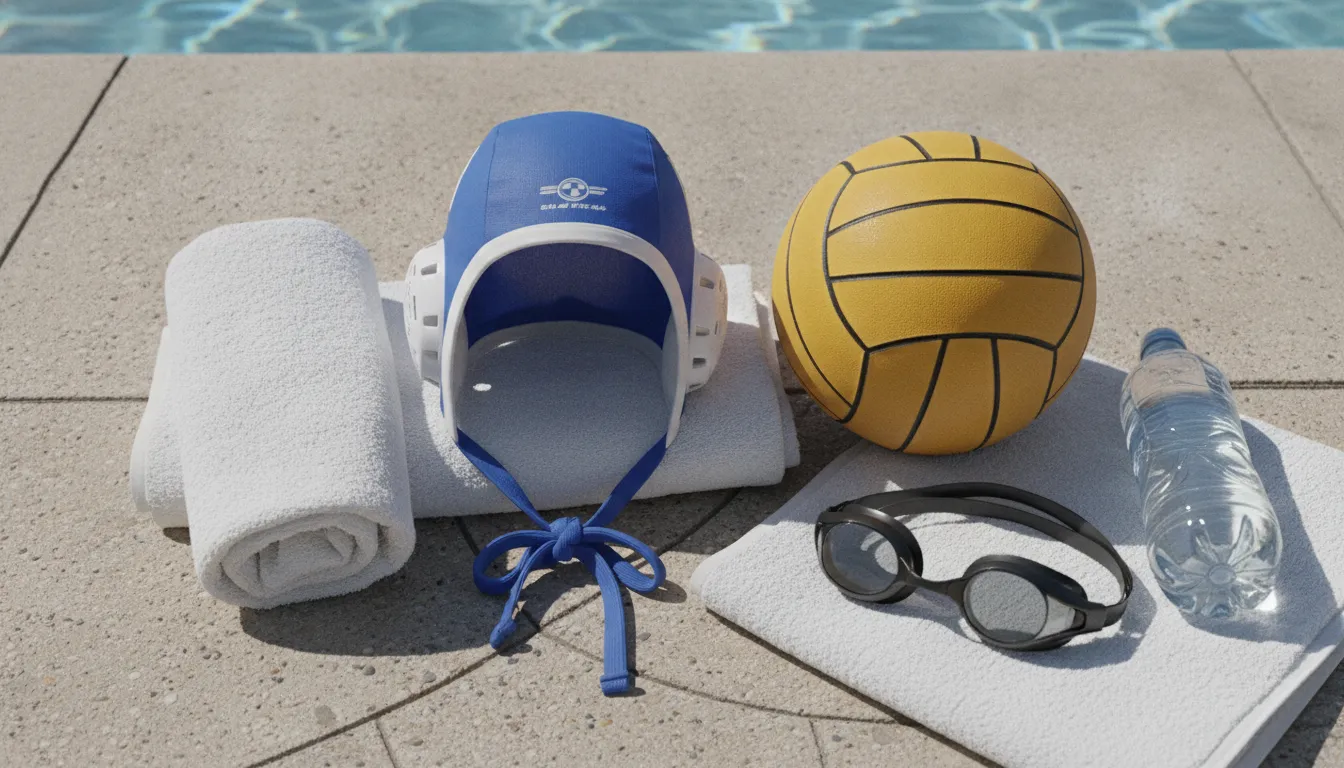
Protect the head and ears
The main goal of a water polo cap is to protect the player. Unlike a plain swim cap, these have hard plastic cups that sit over the ears. These protective ear cups help lower the risk of ear hurts from ball strikes or player contact. In a game where the ball can move very fast, this layer of armor is a key part of the sport. The cups have holes so the player can still hear their teammates and the coach.
The cap also helps to lessen the force if a ball hits the head. Studies show that protective headgear in water polo can reduce the impact force during these strikes. This helps to manage the risk of head hurts like concussions in high-speed games. By covering the head, the cap adds a barrier between the player and the hard ball. It also guards against hands or elbows that might hit a player during the game.
Identify teams and players
In the middle of a fast game, it is hard to tell who is on which team. Water polo caps use colors and numbers to solve this problem. One team usually wears white caps, while the other wears blue or dark colors. This helps the players and the ref see who has the ball. It also shows where each player is in the pool at any time. This color code is a simple way to keep the game fair and clear for everyone.
Numbers on the caps also help to track each player. Goalkeepers wear special caps to stand out even more from the field players. Usually, a goalie wears a red cap with the number one on it. Field players have numbers from two to thirteen on their headgear. These clear marks make it easy for the refs to follow the rules and keep a correct score. It also lets fans know which player is making a great play.
Stay secure during play
Water polo is a sport with lots of quick moves and grabbing. A cap must stay on the head no matter what happens in the water. This is why these caps have long chin ties that the player knots under their jaw. These ties keep the cap from slipping off during a fast swim or a fight for the ball. If a cap comes loose, it could block the player's view or leave their ears open to a hit.
The cloth used for these caps is often a mix of nylon and spandex. This blend allows the cap to stretch and fit well on the head. A tight fit is best because it reduces drag and keeps the ear guards in the right spot. It also makes it harder for a rival player to grab the cap and pull it off. When the gear fits well, the player can focus on the game and not on their kit.
Water polo cap numbers and colors explained
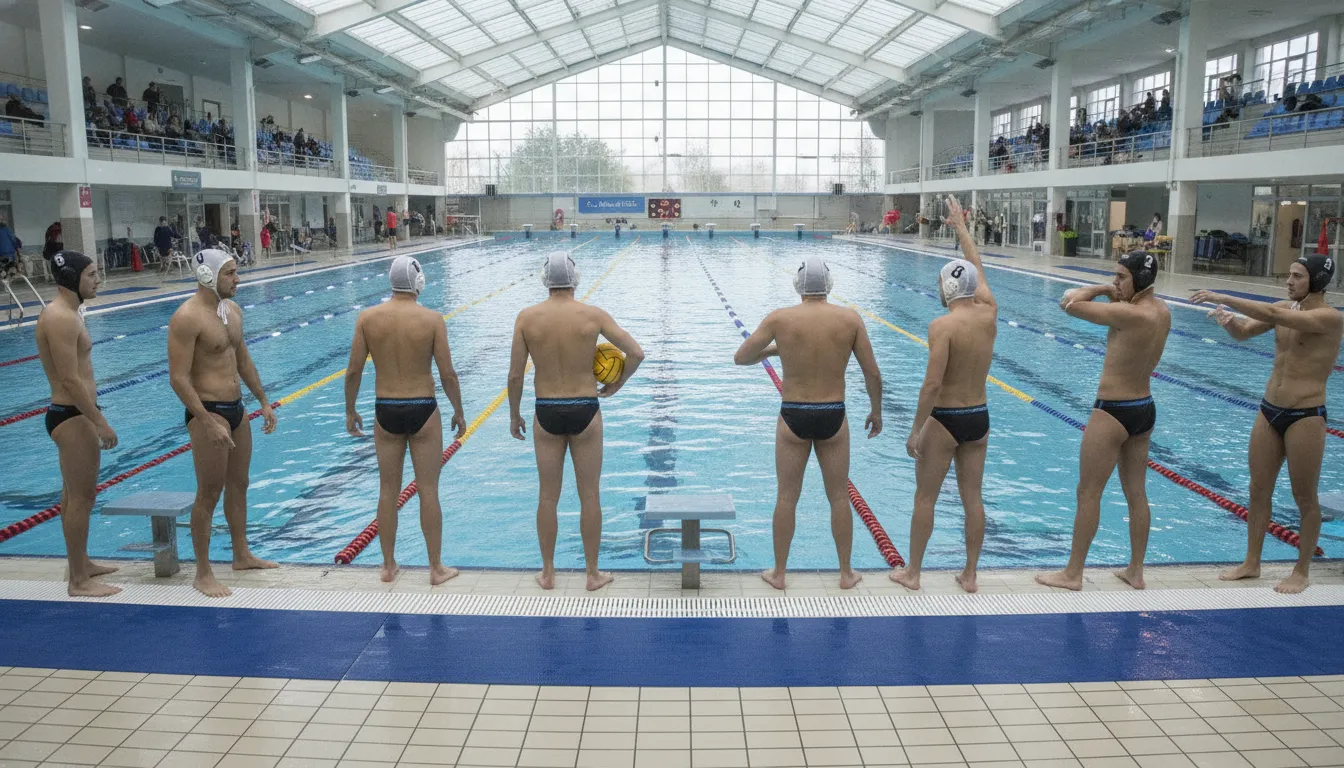
Every player in the pool must wear a cap during a match. These items help the referee and fans tell the teams apart. They also keep players safe during fast play. Choosing the right essential water polo equipment is the first step for any new team. Most cap sets come with numbers and ear guards for the whole squad.
Team colors for home and away
The rules for cap colors are clear and easy to follow. The home team usually wears white caps. The away team wears a dark color, like blue or black. This contrast helps everyone see who is on which team. It is also a key part of the official water polo gear guide for new players.
The ear guards on the caps often match the team color. Some teams use custom prints, but the main color must stay solid. This makes it easy for the referee to make quick calls in the water. It also helps teammates find each other when the game gets fast. Strong colors mean less confusion for the players.
| Feature | Home Team | Away Team | Goalkeepers |
|---|---|---|---|
| Cap Color | White | Dark (Blue/Black) | Red |
| Ear Guards | White | Dark | Red |
| Numbers | 2 through 15 | 2 through 15 | 1, 1-A, or 13 |
| Main Role | Field play | Field play | Defend goal |
Standard numbering for field players
Field players wear caps with numbers from 2 up to 15. The numbers must be clear so the referee can see them from far away. They are usually printed on both sides of the cap. This helps with tracking fouls and goals during the match. Most sets include 13 to 15 caps for the full roster.
Players keep the same number for the whole game. This helps the scorekeeper track who is in the pool. If a cap falls off, the player must put it back on fast. A player without a cap cannot stay in the play. The chin strap keeps the cap in place during tough moves.
Goalkeeper cap rules
Goalies have the most unique look in the pool. They wear red caps so they stand out from the field players. This helps the referee know who can touch the ball with two hands. It also helps the team know where their last line of defense is at all times. Red is the standard color for goalies in all leagues.
The number on a goalie cap is also special. The main goalie always wears number 1. Backup goalies have different numbers based on the league. In some games, they wear 1-A. In world games, they wear 13. These cap rules help keep the game fair and organized for all teams.
Why seeing players and safety matter
Caps do more than just show team colors. They also guard the head from hard hits during the game. A water polo ball can move fast and cause pain. These water polo caps have built-in ear cups to stop injuries. These cups lower the risk of hurt ears from the ball or other players.
Good caps also help with head safety in general. The thick fabric helps take some of the force from a hit. This can help reduce the number of head injuries like concussions during a game. Safety is just as important as the score in every match. Every player should check their gear before they jump in the water.
A water polo caps guide for new players and parents
Starting a new sport can feel like a lot to take in. For water polo, one of the most rare items you will need is a set of water polo caps. These caps do much more than just cover your hair. They keep you safe and help the ref tell the teams apart during a fast game. If you are a parent or a new player, knowing how this gear works will help you feel ready for your first day in the pool.
Why do players wear water polo caps?
The main job of a water polo cap is to keep your ears safe. Each cap has hard cups on the sides. These cups are meant to lower the risk of ear harm from the ball or other players. High-speed hits can cause hurt to the ear drum, but these safety ear cups help soak up the blow. They also help prevent head harm by cutting down the force of a hit to the head. This is why you must wear them in every game and practice.
Beyond safety, these caps help people find who is on which team. Most sets come in white for the home team and dark blue for the away team. Each cap has a number on it so the ref and the coach can see who is who. Goalies wear special red caps to stand out. Finding the needed water polo gear is the first step for any new player.
How should a water polo cap fit?
A good fit is key for both ease and safety. The cap should be snug but not so tight that it hurts. You want the ear cups to sit right over your ears. If they are too low or too high, they will not do their job. Most caps use long ties that you knot under your chin. Make sure the tie is firm so the cap does not slide off when you swim fast or get into a fight for the ball.
New players often ask if they should wear a swim cap under their water polo gear. Many players with long hair do this to keep their hair out of their face and to make the outer cap feel more steady. It also helps the polo cap stay in place during the game. You can check out a full water polo gear guide to see how the rest of your kit should fit before you hit the water.
What to expect at your first practice
When you show up for your first day, your coach may give you a cap from the team set. These sets have numbers for each field player. In most games, the goalie wears cap number one. Other players will have numbers from two to thirteen or higher. You will need to learn how to tie your cap quickly so you do not hold up the team. It is a good idea to try it on at home first if you buy your own.
As you play more, you will get used to the feel of the ear guards. At first, they might make it a bit hard to hear your coach. This is normal. You will soon learn to listen for the whistle and the shouts of your peers even with the cap on. Using the right safety headgear is a key part of staying in the game and staying safe as you build your skills.
How should teams order water polo cap sets?
Buying essential water polo equipment starts with a full set of caps. Your team needs two sets to play in most leagues. One set is for home games. The other set is for away games. Each cap must have a clear number so the refs can spot players fast. This helps the game run smooth and keeps track of fouls. Home teams wear white to stand out from the ball and the water. Away teams wear dark colors like navy or black. This helps the refs and fans tell the teams apart from a distance.
Team ordering checklist
Follow these steps to ensure your team has the right gear for the season. A good set helps your players stay safe and meet all league rules.
- Count your total players. Most teams buy sets of 13 or 15 to cover all players and backups.
- Pick your colors. You will need a white set for home games and a dark set for away games.
- Set up your goalie caps. Goalies wear red caps. The main goalie wears number 1, and the backup wears number 13 or 1-A.
- Look for tough cloth. Choose caps made from fabrics that can handle pool water. This keeps the colors from fading.
- Check the ear guards. Make sure the ear cups are firm but soft enough to be easy to wear. They should have holes so players can hear.
- Order extra singles. It is common to lose a cap in a big game. Buy a few extra blank caps to save time later.
Why team sets matter
Team sets ensure that every player is safe and follows the rules. A water polo gear guide often suggests using caps with built-in ear cups to keep players safe. These cups help lower the risk of ear hits from ball strikes or player contact. This is key because a water polo ball can hit with a lot of force. Research shows that protective ear cups help prevent bad harm during a match. When you buy a set, you get gear that stays on during rough play.
Numbering and fit tips
Most sets include numbers from 1 to 13 or 1 to 15. The numbers must stand out from the cap color. Dark caps often have white numbers. White caps often have dark blue or black numbers. The size of the numbers also matters. They should be big enough to read from across the pool. Most leagues have rules about how large the numbers must be. Check your local rule book before you order your custom set. Good caps should fit snug but not too tight. The strings need to be long enough to tie a firm knot under the chin. If the cap is too loose, it can fall off when a player swims fast. Water polo is a tough sport, so the gear must be strong. High-grade caps will last for many years if you rinse them with fresh water after each use.
How to clean and care for water polo caps
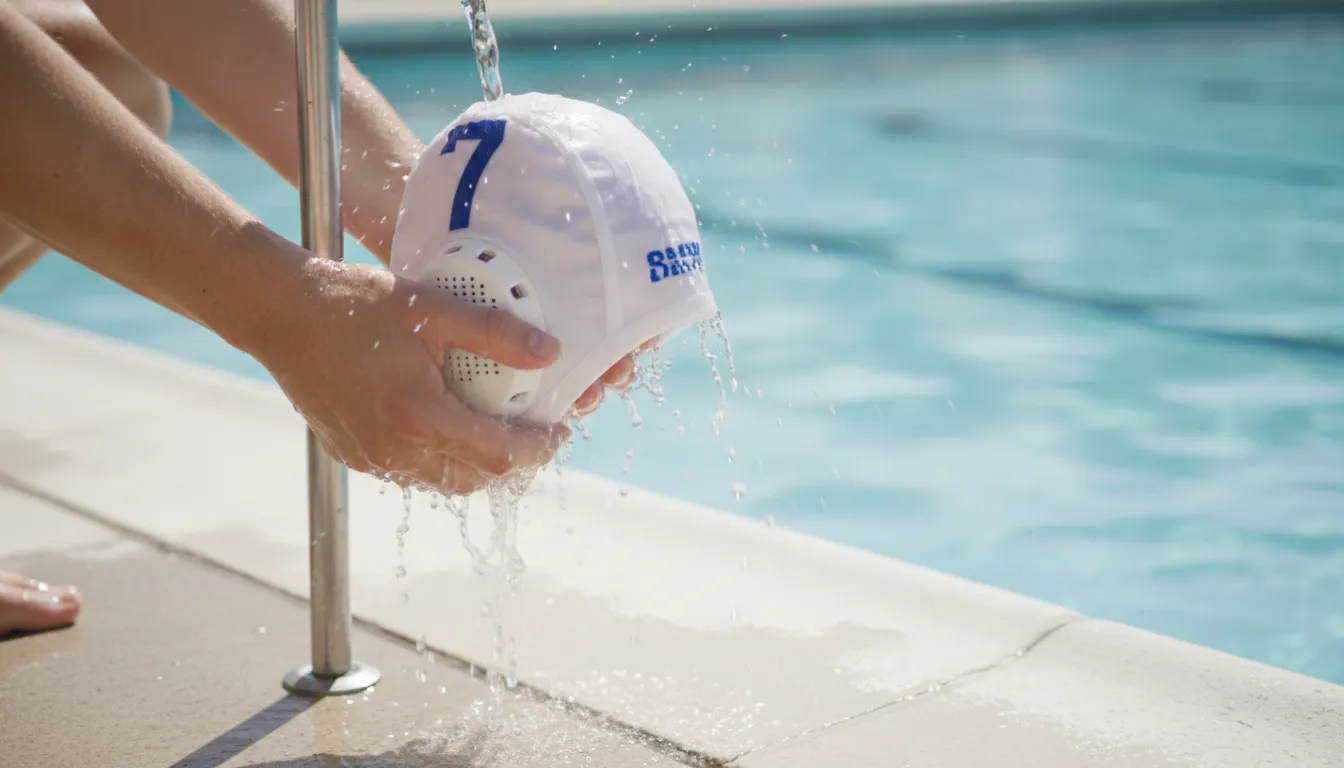
To keep your water polo caps in top shape, you must follow a steady care path. Good care helps the gear last through many games. These caps are more than just cloth. They are essential water polo equipment that keeps you safe in the pool. Taking a few minutes after each use will save you money and keep your gear clean.
Rinse with fresh water
Chlorine and salt can hurt the fabric of your water polo caps over time. You should rinse your cap in cool, fresh water as soon as you get out of the pool. This wash gets rid of pool stuff that can make the fabric weak or thin. It also helps to keep the colors bright so your team looks its best.
When you rinse your gear, watch the ear guards closely. These parts of water polo caps protect you from ball hits or player contact. If you leave pool water on them, the plastic may get brittle. Use a soft cloth if you see any dirt or salt build-up.
- Use cool water.
- Avoid hot water, as it can shrink the cloth.
- Do not use harsh soaps or bleach.
Safe drying and storage
Once your cap is clean, you need to dry it the right way. Never put your gear in a dryer. The high heat can ruin the elastic and the ear guards. Instead, hang your cap up to air dry in a cool spot. Avoid direct sun, as the light can fade the fabric and make the plastic ear cups hard and prone to cracks.
Make sure the cap is fully dry before you put it away in your bag. If you store a wet cap in a closed space, mold and bad smells can grow fast. A dry, flat spot is the best place to keep your gear between games. This helps the cap hold its shape so it fits well every time you wear it.
Checking for damage
Check your water polo caps for wear and tear at least once a week. Look for loose threads or small holes in the fabric. You should also check the ear cups for any signs of damage. These cups are made to reduce the force of a ball strike to the head. If the plastic is cracked, it will not protect you as well as it should.
Check the ties and the chin strap too. If the ties are frayed, they might snap during a fast play. It is better to find these issues at home than right before a match starts. If you see big cracks or deep tears, it is time to buy a new cap. Fresh gear ensures you stay safe and follow all the rules of the game.
Water polo cap buyer checklist
Spot your exact needs
The first step in your search is to decide how you will use the caps. Most players need two types of gear for practice and league matches. For daily drills, look for soft caps made of thin cloth. These are easy to wear and help your head stay cool during hard workouts. Match caps must be much tougher. They are built with thick cloth that can take a lot of pulling. If you are buying for a group, look for a set of essential water polo equipment that meets team rules. A good set will last for many years if you take care of it well.
Think about how often you will be in the pool. If you play every day, you might want to buy two sets of practice caps. This way, you always have a dry one ready to go. Strong caps help save money over time because you won't have to buy new ones as often. Make sure the cloth is strong against chlorine so the colors do not fade. A faded cap can make it hard for your coach to see you during a game.
Focus on ear guard safety
Safety is the most vital part of any cap. High-quality water polo caps come with hard plastic ear guards. These guards are made to take the hit if a ball or a hand strikes your head. They play a big role in keeping your ears safe from harm during a fast game. It is a good idea to check that the guards have enough holes. These small vents let water out and let sound in so you can hear your team. Without these holes, you might feel a lot of pressure in your ears when you dive.
Safety gear helps lower the chance of head injuries like concussions in the water. Strong headgear is meant to blunt the force of a heavy water polo ball. This is key for all players, but mostly for those who play near the goal. Always check the ear cups for cracks before you buy. A cracked guard can be sharp and might hurt you or a teammate. Replace any cap that shows signs of wear to stay safe in the pool.
Ensure a secure and comfortable fit
A cap that fits right will stay on your head no matter how rough the game gets. Look for caps with long chin straps that let you find your own fit. The strap should be snug but it should not pinch your skin or make it hard to breathe. Some caps use a tie while others have a snap or a hook. Test the strap to make sure it stays closed when you tug on it. If a cap slips off during play, you will lose your safety and the ref might stop the game.
Comfort is also key for long games. If the cloth is too rough, it might cause a rash on your neck or ears. Look for smooth seams that won't rub against your skin. You can find more tips on picking the right items in our water polo gear guide. Trying on a few new sizes is the best way to find the right match. A well-fit cap helps you focus on the ball and your team instead of your gear.
Follow league color and number rules
Before you buy, check the rules for your league or school. In most games, the home team wears white caps and the away team wears dark blue or black. Goalies almost always wear red caps. This color helps the ref see the goalie clearly at all times. Standard sets usually have numbers from 1 to 28. The numbers should be large and easy to read from across the pool. If you are a goalie, you will need a cap with the number 1 or 13 on it.
Good sight helps the game run well for all. If the numbers are too small, the judges might not be able to track fouls or goals. It is a smart move to buy a few spare caps in both white and blue. This way, if a strap breaks or a cap gets lost, your team can keep playing without any delay. Good plans ensure that your team looks sharp and stays within the rules of the sport.
Frequently Asked Questions
Do water polo caps keep water out of ears?
Water polo caps are not designed to keep your ears dry. Instead, they have hard plastic ear guards with holes to help you hear. Their main job is to protect your ears from the ball or other players. These ear cups help stop injuries like a burst eardrum. According to a study on water polo headgear, these caps reduce the risk of ear injuries from ball hits and player contact.
What are water polo caps called?
People often call this gear water polo caps or headgear. Sometimes they are called ear guards because of the hard shells over the ears. These caps are a key part of the sport. They help identify players and keep them safe during a match. Both field players and goalies must wear them. You can find many types of water polo caps. These caps offer protection and help teams tell each other apart during fast games.
Why do water polo players wear those caps?
Players wear these caps for safety and to show which team they are on. The caps have ear guards to protect against hits from the ball or other players. They also have numbers so the refs and fans know who is who. The caps help manage the risk of head injuries during high-intensity games. According to medical research, wearing this headgear helps lower the number of concussions and other head wounds in the pool.
Do water polo players wear swim caps?
Most players wear a regular swim cap under their water polo cap. This helps keep their hair in place and out of their eyes. It also makes the water polo cap fit better. The outer cap is the one that provides real protection. While the water polo cap is for safety and IDs, the inner cap is just for comfort. Wearing both is a common way for players to stay focused during a long match.
Ready to find the right water polo caps?
Picking the wrong water polo caps can lead to ear pain or gear that breaks in the middle of a big match for your team. If you wait until the last minute to order, you might face shipping delays or low stock that leaves players without the gear they need. Getting your team set up with strong caps right now makes sure that every player stays safe and follows the league rules of the pool. You will save time and avoid stress by picking tough gear today that can handle a full season of heavy use and very rough play. Do not let old or worn out gear hold your team back from a win when you can get new gear that fits well today.
Shop water polo caps at Swim2000 and prepare your team for the season.


